
How Can I Speed Up Penetrating Oil Drying? A Wood Science Answer
That tacky, slow-drying oil finish is holding up your project. I use shop-tested methods rooted in materials science to fix that.
We will cover the chemistry of oil curing, how to control your shop environment for faster drying, and the safe use of catalytic driers.
My recommendations are based on hands-on testing and a materials-focused approach to wood finishing.
Why Do Oils Dry So Slowly? The Simple Science
First, let’s clear something up. That oil isn’t just “drying” like water evaporating. It’s undergoing a chemical change called curing. The process is called polymerization, where oxygen from the air links the oil molecules together into a solid network. Think of it like a liquid chain slowly locking all its links together.
This only works with reactive oils. Boiled linseed oil and pure tung oil are classic examples. They’re hungry for oxygen. Mineral oil, often used for cutting boards, is passive. It will never polymerize. It just sits in the wood fibers, which is why it needs frequent reapplication. That limited durability is a major mineral oil limitation for wood finishes. For longer-lasting results, other finishes or sealants are often preferred.
Three terms explain your daily struggle. Viscosity is how thick and sticky the oil is. Porosity is how many tiny tunnels are in your wood. Wood is also hygroscopic, meaning it actively pulls moisture from the air and the oil, which can slow the curing reaction at a microscopic level.
Here’s my shop analogy. A skin forming on a can of paint is like an oil feeling dry to the touch. The entire can turning solid is like the oil fully curing deep within the wood. We need to get that “solid can” reaction to happen faster.
What Controls Your Drying Time? The Four Big Levers
You can’t change the chemistry of the oil itself, but you control its environment. Four factors decide your wait time: Temperature, Humidity, Airflow, and the Oil’s Viscosity.
Drying times vary wildly. A thin coat of boiled linseed oil might be touch-dry in 6-8 hours in good conditions. Pure tung oil is slower, often needing 24 hours. When you compare tung oil vs linseed oil, the differences in curing and finish become clear. Mineral oil doesn’t truly dry, so asking “how long does mineral oil take to dry on wood” is the wrong question, it simply won’t.
The wood itself is a partner in this. Porous oak acts like a sponge, sucking oil deep into its vessels. This can make the surface seem dry faster, but the oil deep down is starved for oxygen and cures very slowly. Dense maple or cherry has a tighter grain. The oil stays closer to the surface where air can reach it, often leading to a more predictable, if not always faster, cure.
Always remember the two timelines. “Dry to the touch” means you can handle the piece. “Fully cured” means the polymerization is complete and the wood is ready for use or a next coat. The second stage can take days or weeks longer than the first, depending on the glue used. Different wood glue types have varying cure times that affect this process.
Temperature: Your Most Powerful Tool
Heat is energy, and energy makes molecules move and collide faster. I aim for a consistent shop temperature between 70°F and 80°F (21°C to 27°C). This range provides enough thermal energy to dramatically speed up the polymerization reaction without risking the finish.
More heat isn’t always better. I once tried to rush a tabletop by putting it near a furnace. The surface oil cured too fast, trapping uncured oil beneath. This led to a wrinkled, sticky mess that took weeks to fix. Excessive heat can also cause bubbling or force the oil to the surface in blotches.
Humidity: The Silent Saboteur
High humidity is the enemy of oil curing. The air is full of water molecules. These molecules compete with oil molecules for access to the wood’s surface and pores. Effectively, a layer of water vapor acts as a barrier, blocking the oxygen the oil desperately needs to cure, unlike when you apply oil on wet wood.
My rule is to work when the relative humidity is below 70%. Above that, curing times stretch out and the finish can dry cloudy or feel perpetually tacky. A simple digital hygrometer is a cheap and crucial shop tool. If it’s rainy, wait for a drier day.
The Critical Role of Airflow
Still air gets “used up.” The oxygen near the oil surface gets consumed by the curing reaction. Gentle airflow constantly replenishes this supply, feeding the polymerization. Think of it as keeping the oil’s respiratory system open, allowing it to breathe in fresh oxygen.
The key is gentle, cross-shop ventilation. Open two windows for a breeze, or use a fan pointed at a wall to circulate air in the room. Do not point a fan directly at your workpiece. This can cause the solvents in the oil to evaporate too quickly, chilling the surface and leading to a hazy, blushed finish. It’s about moving the air in the room, not creating a wind tunnel on your project.
Practical Methods to Speed Up Drying in the Shop
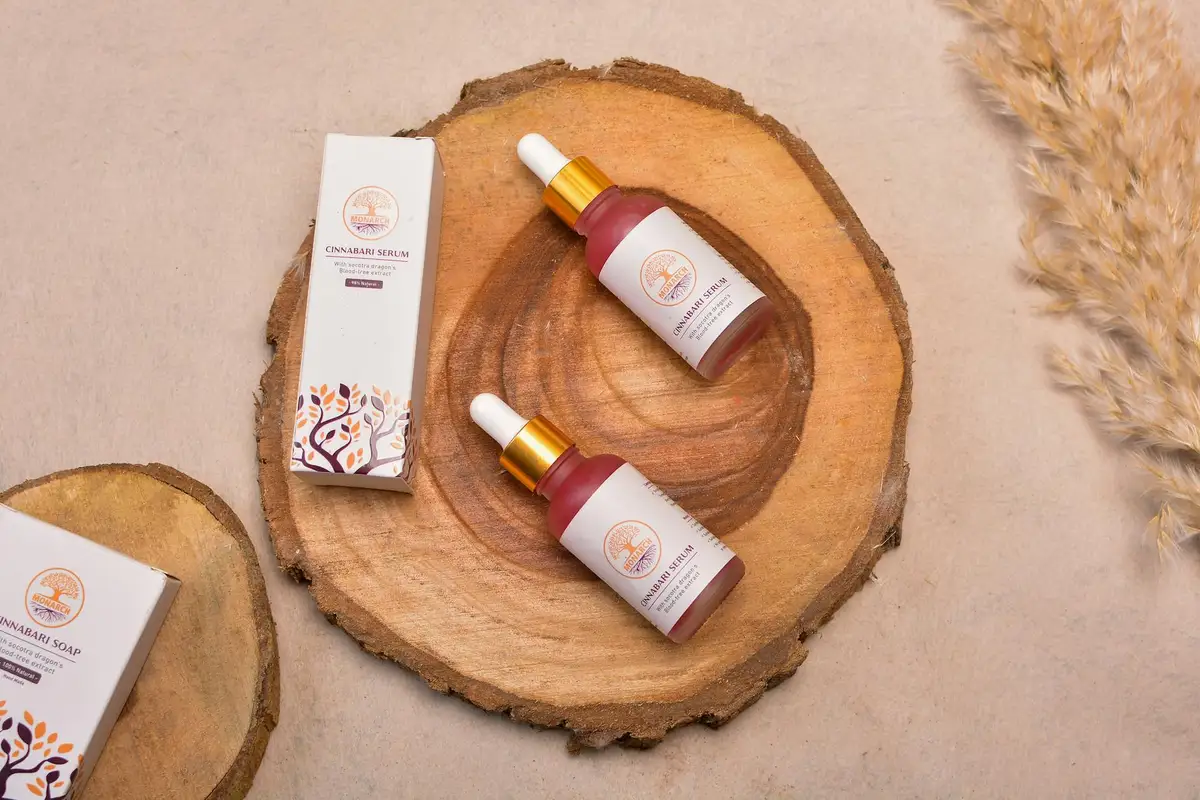
Think of this as your toolbox. Start with the simple fixes and work up to the more involved ones. The goal is to help the finish polymerize and the solvents to escape.
Master Your Environment First
You cannot beat the laws of physics. Oil finishes cure through oxidation and solvent evaporation. Both processes accelerate dramatically with warmth, low humidity, and air movement.
Your first job is to control your shop’s climate. I aim for 70°F (21°C) or higher and relative humidity below 50%. A small space heater and a dehumidifier are powerful tools here. A fan is critical, but don’t point it directly at the piece. You want to move the solvent-laden air away from the surface, not blow dust onto your tacky finish.
For small items, I build a simple “finishing box” from a cardboard box and a small fan, which creates a perfect, controlled mini-environment.
The Art of the Thin, Wiped Coat
This is the single biggest factor under your direct control. A thick, gloppy coat will stay tacky for days because the surface skins over, trapping liquid solvent and uncured oil underneath.
Here is my shop-tested method for a perfect thin coat:
- Flood: Pour or brush a generous amount onto the surface, ensuring full coverage.
- Wait: Let it sit for 10-20 minutes. This lets the oil penetrate the wood pores.
- Wipe Dry: Take a clean, lint-free rag and wipe the surface completely dry. “Dry” means no visible wetness. The wood should feel cool and slightly oily, but your rag should not show any transfer after a second pass.
That final wipe removes the excess that would never properly cure, leaving only the oil that has soaked into the wood cells. That is a core step in applying oil finishes to wood. When done right, it helps the finish penetrate evenly and cure properly.
To Thin or Not to Thin?
Thinning your oil finish with a solvent can help. It reduces viscosity for better penetration and introduces faster-evaporating carriers. But it’s a trade-off.
- Citrus Solvent (D-Limonene): Evaporates slowly. It can extend your working time but won’t dramatically speed the final dry.
- Mineral Spirits: The standard. It evaporates faster than most oils, helping the initial set.
- Naphtha (VM&P): Evaporates the fastest of the common solvents. It flashes off quickly, leaving the oil behind to cure sooner.
Adding 10-15% naphtha can shave hours off the “dry to the touch” time. The downside? You’ve effectively applied a thinner coat of oil, so you may need an extra coat later for the same build.
Safety is non-negotiable: always thin and apply with strong ventilation, and lay oily rags flat to dry or submerge them in water to prevent spontaneous combustion.
Applying Gentle, Even Heat
Warmth is a catalyst. I use a radiant infrared heater placed several feet from the project. It warms the wood and oil directly without blowing air. A hair dryer on its lowest, coolest setting can also work if you keep it moving.
Simply moving the project to the warmest, driest room in your house is often enough.
Avoid high, concentrated heat at all costs. A heat gun or direct sunlight will cause the surface to cure too fast, potentially trapping uncured oil underneath and leading to wrinkles or cracks.
Chemical Accelerators: Do They Work?
Many woodworkers ask if there’s a magic bottle to make oil cure overnight. The answer is nuanced. For true reactive oils, yes, specific additives exist. For simple mixtures, no.
Understanding Japan Driers and Metallic Driers
Products like Japan Drier contain metal salts (typically cobalt or manganese) that act as catalysts. They don’t evaporate. Instead, they accelerate the oxidation reaction at the surface of drying oils like tung oil or boiled linseed oil.
They will not work on non-reactive oils like mineral oil, or on most commercial “oil-based” stains, which are just pigment in a carrier.
If you are using a pure polymerizing oil, you can add a Japan drier. Use it sparingly. A typical ratio is 1-2 drops per ounce of oil. I mix it thoroughly. Adding too much can cause the surface to cure hard and brittle while the oil underneath remains soft, leading to a poor finish.
The Fast-Drying Finish Alternative
Sometimes the best accelerator is to choose a different product from the start. Compare a pure tung oil, which can take days per coat, to a modern “oil-varnish blend” or a “hardwax oil.”
These are hybrids. They contain reactive oils for penetration, but also added resins (varnish) that begin to set as the solvents evaporate. This creates a faster-forming surface film.
You get the warm, penetrative look of an oil with a much more practical drying time, often in 4-8 hours. When project timelines are tight, using one of these hybrid finishes is often a smarter compromise than trying to force a traditional oil to behave against its nature.
Your Best Practice Workflow for Faster Results

This is the sequence I follow in my own shop. It combines all the principles we’ve discussed into a single, reliable process.
- Prepare in a Warm Space. Move your project into the warmest, driest room you have at least 24 hours before you start. I aim for 70°F (21°C) or higher. This preps the wood, not just the air.
- Finish Your Sanding. Sand to your final grit (I usually stop at 220 for oils). Vacuum the piece thoroughly, then wipe it down with a damp cloth (mineral spirits for oily woods). This raises the grain and removes dust. Let it dry completely.
- Mix a Test Batch. If you are adding a Japan drier, mix it into a small amount of oil first. Apply this to a test piece or hidden area. This confirms compatibility and gives you a drying baseline.
- Apply the First Coat. Flood the surface, then wipe it all off. I mean it. After 10-15 minutes, take a clean, dry rag and wipe every surface until it looks dry. A proper oil finish is one you almost can’t see you’ve applied.
- Create the Ideal Drying Zone. Place the piece in your warm room. Use a fan to create gentle, indirect air movement across the surface. Do not point it directly at the piece, as this can dry the oil too fast on top and trap it underneath.
- Perform the 4-Hour Check. Lightly touch an inconspicuous spot. It should feel like dry wood, maybe cool, but not tacky. If it’s tacky, your coat was too heavy or your environment is too cold/damp. This is your key diagnostic moment.
- Wait for the Full Cure. Even if it’s dry to the touch, the oil is still polymerizing inside the wood. Give it a full 24-48 hours in the warm, aired space before even thinking about a second coat or light sanding with 320+ grit.
- Repeat with Even Thinner Coats. Apply subsequent coats even more sparingly than the first. Each layer will cure faster than the last because the sealed wood absorbs less.
The entire process hinges on thin coats and managed evaporation. More oil does not mean better protection, it only means a longer, stickier wait.
Troubleshooting Sticky, Slow-Drying Finishes
When a finish refuses to dry, it’s frustrating. Here’s how to diagnose the problem like a materials detective.
Why Is My Finish Still Tacky After Days?
A tacky surface signals a failure in the curing chain. Here are the usual suspects, in order of likelihood.
- Applied Too Thick: This is the number one cause. The oil can’t react with enough oxygen to fully polymerize. If the piece is uniformly tacky, you almost certainly used too much finish. Solution: Time, warmth, and airflow. If it’s been less than a week, try moving it to a warmer spot with a fan. If it’s a true gummy mess, you may need to strip it with solvent and start over.
- Cold or Damp Environment: Chemical reactions slow down dramatically in the cold. High humidity competes with the oil for oxygen. Solution: Gently warm the piece. A space heater in a small room is better than a heat gun aimed at the finish. A dehumidifier can work wonders in a basement shop.
- Contaminated Wood: Old silicone-based polishes, wax, or even the natural oils from your hands can create a barrier. Solution: For silicone, you often must sand thoroughly down to bare wood. For grease or wax, wash the area with mineral spirits or naphtha before re-sanding and applying finish.
- Old or Improperly Mixed Finish: The drier additives in a product can settle or degrade. Solution: Always stir your finish thoroughly from the bottom of the can. If the product is years old, test it on scrap first.
Oils vs. Varnishes: A Drying Time Comparison
This is a common point of confusion. While the acceleration methods are similar, the underlying chemistry is different.
Pure penetrating oils like tung or linseed dry solely through oxidation. They cure from the surface down as oxygen molecules link the oil molecules together.
Varnishes (and oil-varnish blends like Danish Oil) dry in two distinct phases. First, the solvents (mineral spirits, etc.) evaporate. This is a physical process. Second, the remaining oil and resin film cures via oxidation, a chemical process.
This means airflow is doubly critical for varnishes in the first few hours. You need to clear the solvent vapors from the surface to allow oxygen in for the cure. A slow solvent evaporation can trap uncured oil underneath a seemingly dry skin.
Heat and low humidity help both types. They speed solvent evaporation in varnishes and accelerate the oxidation reaction in all oil-based finishes. Chemical driers, however, are formulation-specific. A Japan drier designed for linseed oil may not work correctly in a polyurethane varnish. Always follow the manufacturer’s guidance, especially when dealing with different oil-based finishes.
Frequently Asked Questions
Is wood porosity a help or a hindrance to fast oil drying?
High porosity, like in oak, allows deep penetration which is good for protection but starves the oil of oxygen, slowing the deep cure. For faster drying, choose denser woods like maple or use a wood conditioner on porous species to limit over-penetration.
How do I use chemical driers like Japan Drier safely and effectively?
Only add catalytic driers to reactive, polymerizing oils like tung or linseed, at a maximum ratio of 2 drops per ounce. Exceeding this can cause a brittle surface skin over a soft under-layer, compromising the finish integrity.
What are the precise humidity and temperature thresholds for optimal drying?
Maintain a relative humidity below 50% to prevent water vapor from blocking oxygen exchange at the wood surface. High humidity can negatively affect wood finishing by causing water vapor to interfere with polymerization. A consistent ambient temperature of 70-80°F (21-27°C) provides optimal thermal energy for polymerization without risking side effects.
Does the application tool (brush, rag, pad) significantly impact drying time?
Yes, a lint-free rag for a vigorous “wipe dry” technique removes excess surface oil most effectively, which is critical for fast curing. Brushes or pads can leave a thicker film, increasing the risk of a lingering tacky surface.
Why do methods to accelerate drying differ between pure oils and oil-based varnishes?
Pure oils cure solely via oxidation, so methods focus on feeding that reaction with oxygen and heat. Oil-based varnishes also rely on solvent evaporation, making active airflow to clear solvent vapors equally critical in the initial drying phase.
Final Thoughts on Oil Finish Drying
The single most important step is to control your workspace temperature and humidity. Warm, dry air dramatically speeds the oxidation and polymerization that harden oil. In my shop, I consistently achieve full cure in half the time by using a simple space heater and dehumidifier. For reliable results, always check and adjust your environment before you even open the oil can.
Select finishes made with ethically harvested oils to support sustainable forestry. Your journey as a craftsperson includes respecting the material and continuously learning how it interacts with your tools and techniques. Exploring wood finishing oils can deepen your understanding of how finishes interact with the grain and texture. This mindful approach also connects to wood therapy, where the same care benefits the wood’s vitality.
Expert Resources and Citations
- Using Penetrating Oil Finishes | Woodsmith
- Textrol | Penetrating Oil For Wood | Owatrol USA
- FLOOD CWF Exterior Penetrating Oil Wood Finish – Ready Mix
- Finishing Touch: Penetrating oil finishes – Canadian Woodworking
David is a veteran woodworker. He is now retired and stays in his cabin in Wisconsin which he built himself. David has 25+ years experience working in carpentry and wood shops. He has designed and built many small and large wood projects and knows the science behind wood selection like the back of his hand. He is an expert guide on any questions regarding wood material selection, wood restoration, wood working basics and other types of wood. While his expertise is in woodworking, his knowledge and first hand experience is far from 'woody'.