
Is Pressure-Treated Wood Still Toxic? A Wood Science Guide
You might avoid pressure-treated lumber for outdoor projects, fearing it’s hazardous. That caution is wise, but the science behind the wood has evolved.
We will cover how treatment chemicals have changed, what the new safety labels really mean, and practical steps for safe handling in your shop.
My recommendations come from personal materials testing and decades of woodworking with treated stock.
How Modern Wood Treatments Actually Work
Think of a pressure-treated board like a dry sponge. The treatment process forces preservative deep into the wood’s cells, just like you’d force tea into that sponge. It’s not a paint or a stain sitting on top. The goal is to make the wood itself inhospitable to the organisms that destroy it: fungi and insects.
The active ingredients have changed dramatically. The old standard, Chromated Copper Arsenate (CCA), contained arsenic and was phased out for most residential uses by 2004. Modern treatments replaced the arsenic with other compounds. They rely heavily on copper, which is a powerful fungicide, paired with other “co-biocides” to prevent insect attack.
The preservatives work by binding to the wood’s cellulose and hemicellulose, creating a zone of protection that decay organisms cannot tolerate. The performance hinges on the chemical properties of the treatment agents, such as binding strength and resistance to leaching. They don’t evaporate or wash out easily once the wood has been properly treated and dried. This fixation process is key to both its longevity and its reduced risk during handling.
The Pressure-Treating Process, Simplified
The treatment happens in a large cylindrical chamber. First, a vacuum pulls air out of the wood’s cells. Next, the chamber is flooded with preservative solution and put under high pressure, sometimes over 150 psi, for a set time. This forces the solution deep into the wood. A final vacuum removes excess solution from the surface.
The end result is preservative entrenched deep within the wood fiber, not just a surface coating you can sand off. This is why cutting or drilling exposes fresh, treated wood-the protection goes all the way through. The wood is then kiln-dried to a stable moisture content before it’s shipped to your lumberyard.
Common Active Ingredients in Your Lumberyard Wood
When you buy pressure-treated lumber today, you’re likely getting one of two copper-based systems:
- ACQ (Alkaline Copper Quaternary): A workhorse formula. The copper fights fungi, and the quat (a ammonium compound) wards off insects. It’s highly effective but can be more corrosive to plain steel fasteners, requiring coated or stainless steel.
- Copper Azole (CA): Similar to ACQ but uses organic azoles as the insecticide. It’s often a bit less corrosive to fasteners and is a common choice for residential decking and framing.
You might also see “micronized” copper systems. Instead of dissolving copper in the solution, these suspend tiny, microscopic copper particles in the water. Think of it like fine powder versus dissolved sugar in your tea. The particles lodge in the wood and slowly oxidize, providing long-term protection. For interior, dry-use applications like sill plates, borate treatments are common. They’re excellent against insects and fungi but will leach out if exposed to constant moisture.
Health & Safety: What “Toxic” Really Means Here
This is where the myth gets tangled. The preservatives are toxic-to brown rot fungus and subterranean termites. That does not mean they pose the same acute danger to you. It’s a question of dose, exposure, and chemistry. Modern copper-based treatments are not classified as human carcinogens, unlike the old arsenic-containing CCA.
The most frequent question I get is about gardens. Is pressure-treated wood safe for raised garden beds? According to current research and agency guidance, yes, modern ACQ and CA-treated wood is considered acceptable for use in contact with soil for vegetable gardens. The copper levels that might leach are minimal and bound in the soil. I use it for my own beds. If you have a specific concern, lining the bed with heavy-duty plastic is a simple barrier.
The real risk comes from manipulation. Touching the solid wood with your hands is low risk. Inhaling the fine sawdust or getting it in your eyes during cutting or sanding is where you need to focus your safety measures. Your body doesn’t want to deal with those concentrated particles.
Modern Treatment Toxicity & Required PPE
The primary hazard with modern treatments is that they can be sensitizers. Repeated skin contact might lead to irritation or allergic reactions for some people. Inhaled sawdust can irritate the respiratory tract.
Your safety protocol is straightforward and non-negotiable: treat all sawdust as a hazard. When cutting, drilling, or sanding, wear a basic NIOSH-rated dust mask (like an N95), safety glasses to keep particles out of your eyes, and gloves. Wash your hands and arms after working, and don’t wear your dusty clothes into the house. It’s that simple.
Old Wood Alert: How to Spot and Handle CCA-Treated Lumber
If you’re renovating a deck or playset built before 2004, you might encounter CCA wood. It often has a greenish-gray tint, especially on cut ends or where it’s weathered. Any old, heavily built outdoor structure is suspect.
If you have existing CCA wood, the rule is to stabilize it, not disturb it. Apply a penetrating oil-based or film-forming sealant (like a solid-color stain) every year or two to lock the surface down. Never sand it, as this creates the hazardous arsenic-laced dust. Never, ever burn it. The arsenic is released into the ash and smoke, creating a serious toxic hazard. If you must remove it, dispose of it as construction waste at a proper landfill facility.
Working With It: Cutting, Fastening, and Finishing Safely

Modern pressure-treated wood is safe for projects like decks and raised beds, but it demands respect in the shop. You handle it differently than kiln-dried pine or oak. For garden beds, follow safety guidelines for treated wood to minimize soil contact.
Cutting and Sanding Protocol: Keeping Dust Out of Your Lungs
This is your number one safety priority. The treatment chemicals are fixed in the wood, but you don’t want the fine dust in your air. Wood dust exposure hazards are a real concern for respiratory health. Long-term exposure can contribute to asthma and other lung problems.
Always use a sharp blade, whether on your saw or planer. A dull blade tears fibers and creates more fine, airborne dust. A sharp blade makes cleaner cuts and bigger chips.
Work outdoors whenever you can, or at a minimum, use a dust collector paired with an open door for cross-ventilation. I run my shop vacuum right at the source on the table saw or miter saw.
After you finish, clean everything. Wipe down your tools, your workbench, and the floor. You don’t want that dust settling on your next fine furniture project.
Will It Hold a Screw? Fasteners and Corrosion
It will hold a screw, but only if you use the right metal. The copper in the preservative is what fights rot, and it also aggressively attacks standard steel through a process called galvanic corrosion.
Think of it like a battery. The copper and steel, when wet, create a tiny electrical current that eats the steel fastener, turning it weak and rusty.
Your solution is a barrier. Use hot-dipped galvanized (HDG) fasteners for most jobs. The thick zinc coating acts as a sacrificial layer. For critical connections or in constant dampness, upgrade to stainless steel. Its chromium oxide layer is nearly inert.
For decking, I use HDG for framing and stainless for the deck board screws. For a garden bed that will be wet, I go all stainless to avoid any green streaks from corroding fasteners.
The Finishing Challenge: Why Some Coatings Peel
Finishing pressure-treated wood is tricky because the wood is often damp when you buy it and the surface can be oily from treatment. It is essential to properly seal and finish the wood to ensure durability.
You must let it dry first. A moisture meter reading below 15% is your green light. This can take weeks for a thick 6×6.
Film-forming finishes like varnish or paint often fail. They trap the remaining moisture inside, causing peeling. Your best bet is a penetrating oil-based stain or sealant. It soaks in without forming a brittle skin. I’ve had great results with semi-transparent oil stains after a good cleaning with a wood brightener.
What To Do With Old or Scrap Pressure-Treated Wood
You have a leftover piece from a deck build or are tearing down an old structure. The rules here are simple and non-negotiable.
Never, under any circumstances, burn pressure-treated wood in a fireplace, fire pit, or wood stove. Burning can release the preservative chemicals, including arsenic in wood treated before 2004, into the air as toxic smoke and concentrate them in the ash. This is part of the broader issue of chemically treated wood toxicity.
Landfill disposal is typically the only legal and safe option. Most municipalities classify it as construction and demolition (C&D) waste, not regular trash. It does not go in your curbside bin.
Recycling is a nice idea but not practical. The treatment chemicals contaminate the wood fiber stream. No standard mulch or paper mill will accept it.
The Disposal Decision Tree
The logic is straightforward. Can you safely reuse this exact piece for another outdoor, ground-contact project? If not, your path is clear.
Your next step is to call your local waste transfer station or a C&D landfill. Ask for their rules on disposing of pressure-treated lumber. Some may require you to separate it from clean wood. Follow their instructions, load it up, and take it in.
That’s the responsible plan. It keeps chemicals out of our air and soil, and it follows the law.
When To Skip Pressure-Treated Wood Altogether
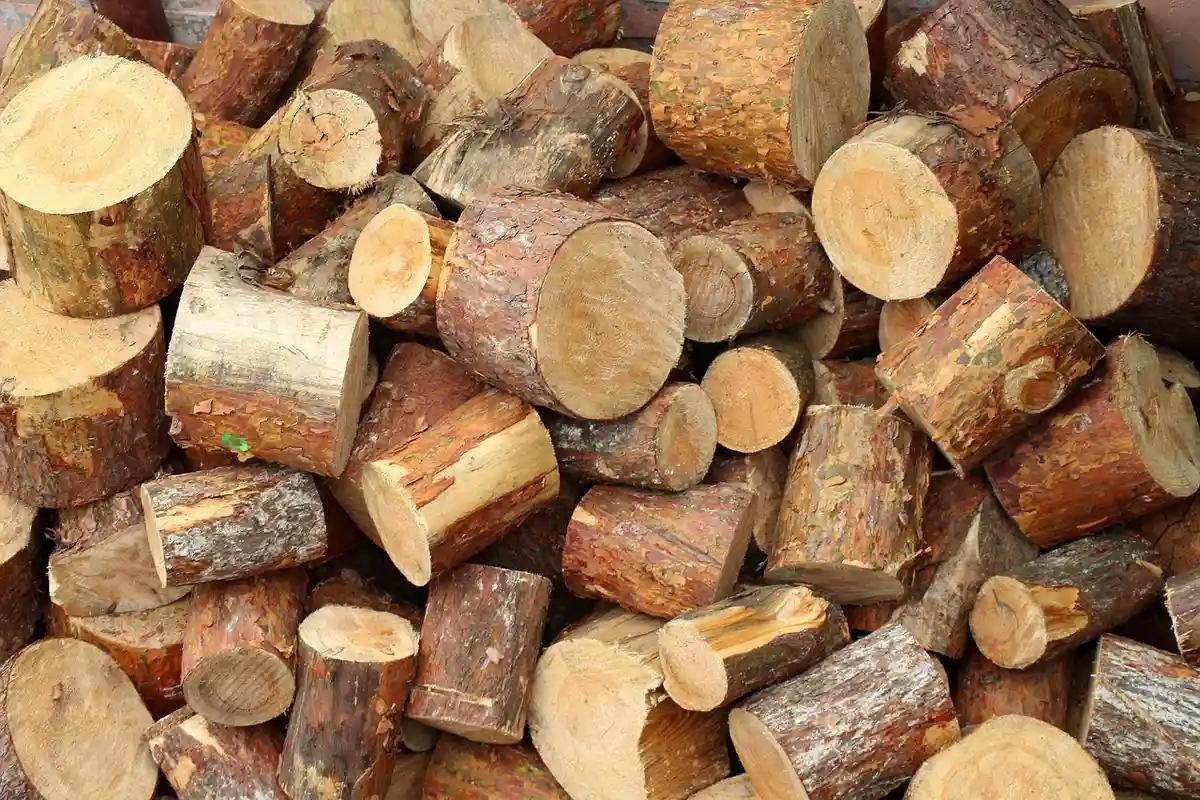
I reach for the pressure-treated rack as a last resort. My first choice is always wood that fights decay on its own. This is better for your health, your tools, and the forest’s long-term health.
Naturally rot-resistant species like cedar, redwood, and black locust are my go-to materials for sustainable outdoor projects. Their durability isn’t from a chemical tank. It’s from compounds like thujaplicins in cedar and tannins in heartwood that fungi and insects simply avoid. You get a beautiful, weather-resistant material that ages to a soft gray and can be left untreated.
Compare this to plastic or composite “lumber.” That material hides its lifecycle. It’s made from fossil fuels and plastic polymers, it gets hot in the sun, and it can sag over long spans. Real wood has a warmth and stiffness that composites mimic but never match. When a cedar deck reaches the end of its life, it biodegrades. A composite deck becomes a complicated recycling challenge.
There are also projects where pressure-treated wood has no place. The chemicals are not food-safe or suited for constant contact. Here is my absolute no-fly list:
- Cutting Boards and Butcher Blocks: You do not want sawdust or food in contact with preservative chemicals.
- Children’s Toys or Play Structures: Kids chew on things. Use maple, birch, or another safe, durable hardwood.
- Indoor Furniture: It off-gasses indoors where ventilation is low. It’s also often wetter and less stable, leading to major warping as it dries inside your home.
- Animal Bedding or Pens: Livestock and pets will gnaw on it. Use untreated pine or hardwood.
- Planter Boxes for Edible Gardens: While modern treatments are considered low-risk, I prefer a natural barrier like a food-safe plastic liner if using treated wood. For direct contact, use cedar.
The Sustainable Wood Checklist for Outdoor Projects
Before you buy any wood for outside, run through this quick list. It helps you match the material to the job’s real demands, often saving you from unnecessary chemical use.
Ask yourself these three questions:
- Is it in direct ground contact? This is the hardest test. If yes, you need either pressure-treated wood rated for ground contact or a supremely durable species like black locust or osage orange heartwood.
- Does it truly need a 40-year lifespan? A garden bench might not. A deck substructure might. For many above-ground items, a 15-25 year lifespan from a natural wood is perfectly acceptable and more sustainable.
- Can I use a durable hardwood or just the heartwood? The outer, active sapwood of any tree rots quickly. The inner heartwood is the stable, resistant prize. Many mills sell “heartwood only” cedar. For a small project, a hardwood like white oak or ipe offers incredible longevity.
For probably 70% of above-ground outdoor projects-decks, fences, planters, arbors-my top recommendation is FSC-certified Western Red Cedar. FSC-certified cedar is a fantastic, low-maintenance alternative that comes from a responsibly managed forest. It’s lightweight, easy to cut and sand, smells wonderful, and its natural oils provide water resistance. You can oil it to maintain its color or let it silver gracefully. It won’t last forever in the ground, but for everything else, it’s a perfect balance of performance, workability, and ecological sense.
Pressure-Treated Wood Safety: Your Top Questions, Answered
Why is sawdust from cutting more hazardous than touching the solid wood?
The treatment chemicals are fixed within the wood’s cell structure, minimizing dermal exposure. Sawdust creates respirable particles that concentrate these preservatives, allowing direct entry to your respiratory system, making wood toxicity from dust and sap a concern.
What is the definitive rule for choosing fasteners with modern treated lumber?
Always use a corrosion-resistant barrier like hot-dipped galvanized or stainless steel. The copper preservatives will rapidly degrade plain steel through galvanic corrosion, compromising joint integrity.
Is lining a treated-wood raised garden bed necessary for safety?
For modern ACQ or CA wood, lining is not required for safety, as copper leaching is minimal and binds to soil. A liner is a practical choice only to reduce soil moisture contact and slow general wood decay.
Can naturally rot-resistant woods fully replace pressure-treated lumber?
No, for critical structural components in direct ground contact, pressure-treated wood provides a guaranteed, standardized level of protection that natural species cannot consistently match without perfect heartwood selection. Understanding the properties of pressure-treated wood—such as decay resistance, moisture tolerance, and pest deterrence—helps explain why it’s preferred for these applications. These properties contribute to long-term performance in ground-contact environments.
How does the environmental impact of pressure-treated wood compare to plastic composites?
Pressure-treated wood has a lower embodied energy from manufacturing and is a renewable resource, whereas composites rely on fossil fuels. The key impact difference is end-of-life: treated wood requires careful disposal, while composites pose a long-term recycling challenge. Understanding pressure-treated wood lifespan helps compare durability and replacement frequency across materials.
Working Safely with Today’s Treated Wood
Not all pressure-treated lumber carries the same risk. The older CCA formula is largely phased out, replaced by safer copper-based systems like ACQ and MCA. Treat any wood dust with respect by using a mask and cleaning your tools, especially when working indoors. Following the label instructions turns treated wood into a reliable, long-lasting material for your projects.
Select lumber from suppliers committed to sustainable forestry and ethical sourcing. Your understanding of materials should grow with the industry, ensuring both your safety and the environment’s health.
References & External Links
- eLCOSH : Hazards of Pressure – Treated Lumber
- Treated Wood Fact Sheet
- The Dangers of Pressure-Treated Lumber (2026) | Today’s Homeowner
- Busting Myths Around Pressure-Treated Lumber
David is a veteran woodworker. He is now retired and stays in his cabin in Wisconsin which he built himself. David has 25+ years experience working in carpentry and wood shops. He has designed and built many small and large wood projects and knows the science behind wood selection like the back of his hand. He is an expert guide on any questions regarding wood material selection, wood restoration, wood working basics and other types of wood. While his expertise is in woodworking, his knowledge and first hand experience is far from 'woody'.