Hardwood Ash or Softwood Ash: Which Actually Keeps Furniture Pests Away?
You’re considering wood ash to shield your furniture from wood-boring insects, but the choice between hardwood and softwood ash is confusing. I’ve mixed both into pastes and powders in my shop, and they don’t behave the same way.
This article will provide clear, tested guidance on the critical chemical properties of each ash type, how pests physically react to them, and the most effective preparation methods for long-term protection.
I combine a materials science perspective with hands-on testing, having evaluated ash from common species like oak and pine under real shop conditions.
What Wood-Boring Pests Are You Really Fighting?
Before you grab any ash, you need to know your enemy. The primary culprits eating your furniture are beetles. Not the adult beetles you see, but their hidden larvae.
The three main offenders are powderpost beetles, furniture beetles (like deathwatch or anobiid beetles), and old house borers. These insects share a destructive life cycle: the adult lays eggs in wood pores or cracks, the larvae hatch and spend years tunneling and eating, and then the adults emerge, leaving telltale exit holes. Your fight is against the hungry grubs inside the wood.
People often ask about using ash for ants, slugs, or fleas in the garden. That’s a different battle. For furniture, your sole target is these wood-boring insect larvae. A treatment that works on a slug won’t necessarily stop a beetle grub.
How Wood Ash Actually Works Against Pests: The Mechanism
Wood ash isn’t magic; it’s the inorganic mineral residue left after wood burns completely. Think of it as the skeleton of the tree. Its pest-deterrent power comes from a one-two punch of physical and chemical action, though it’s not without its myths.
The primary active component is calcium carbonate, also known as lime. This compound is caustic and hygroscopic. When insect larvae come into contact with fine wood ash, the calcium carbonate both abrades their waxy outer cuticle and pulls moisture from their bodies, desiccating them. It’s a drying, corrosive defense.
The Physical Deterrent: A Barrier of Tiny Knives
Under a microscope, wood ash particles are sharp and angular. To a soft-bodied insect larva, crawling through ash is like dragging its body over broken glass. These particles can cause micro-tears in the exoskeleton, leading to fatal fluid loss.
They can also clog an insect’s spiracles, the tiny breathing holes along its body. In this way, wood ash functions similarly to food-grade diatomaceous earth, another physical insecticide made from fossilized algae. Both work by causing physical damage, not systemic poisoning.
The Chemical Deterrent: It’s All About the pH
This is where the real science kicks in. Fresh wood ash is strongly alkaline, with a pH that can reach 10 to 12. For context, that’s more alkaline than baking soda. Most biological systems, including insect physiology, operate within a narrow, near-neutral pH range.
The high alkalinity of ash disrupts the insect’s cuticle and can interfere with internal chemistry. The alkaline nature of the ash is likely the core property that disrupts and deters wood-boring larvae, making their environment inhospitable. It’s a chemical burn, not a toxin.
Toxicity & PPE: Handling Ash Safely
Never forget that the same properties that harm insects can harm you. Wood ash is a caustic irritant, just like some other wood dust and chemicals. It can dry and crack your skin, cause serious eye injuries, and pose a respiratory hazard if inhaled.
Whenever you handle dry, screened ash, you must wear personal protective equipment. This is non-negotiable: wear an N95 respirator, nitrile or rubber gloves, and safety glasses. Work in a well-ventilated area, and never create clouds of dust.
Finally, manage expectations. Wood ash is not an EPA-registered pesticide. Its effectiveness is based on observation and material science, not guaranteed lab results. It’s a traditional, preventive measure, not a guaranteed cure for a severe, active infestation. There are practical wood ash uses in gardening and wood care. For example, it can be used as a soil conditioner and a source of potassium.
Hardwood Ash vs. Softwood Ash: Is There a Difference for Pest Control?
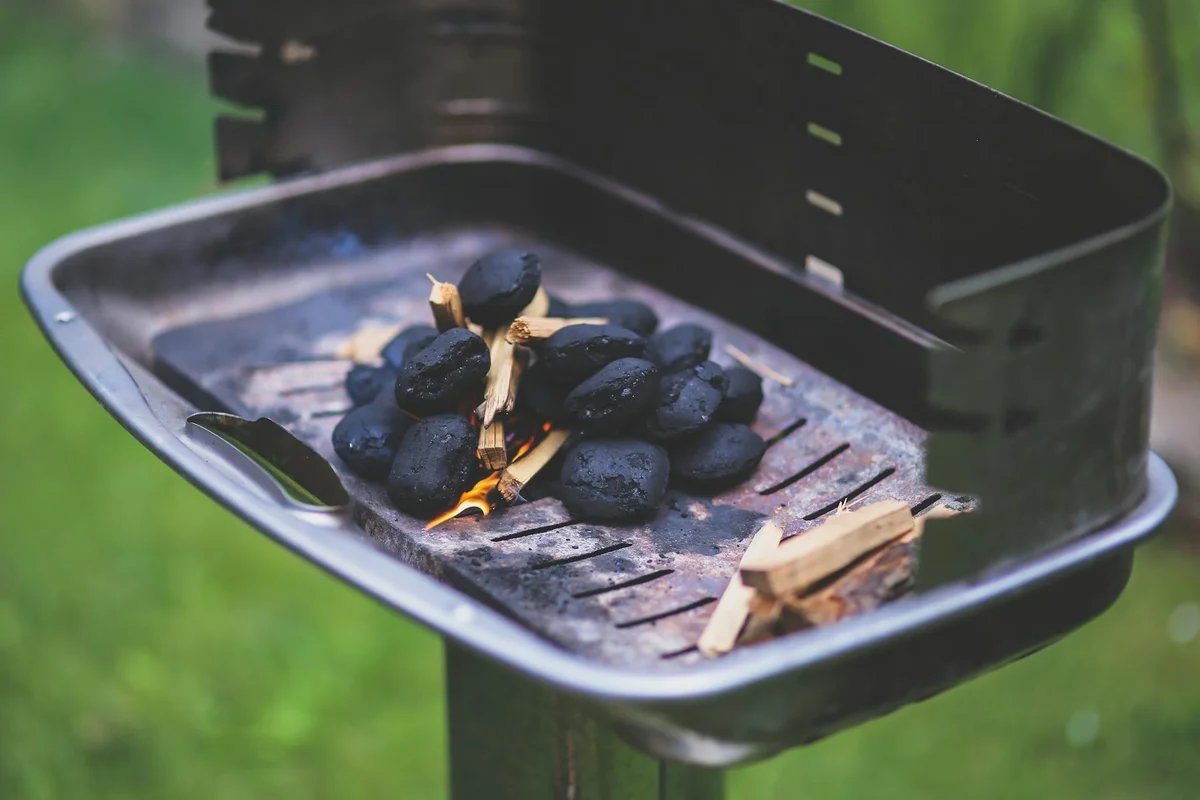
Yes, but not in the way you might think. The short answer is that both types of ash can work as a deterrent. The long answer is about how well they might work and why. The primary agent that deters pests is alkalinity. All wood ash is alkaline, with a pH typically between 9 and 13. This harsh, dry environment is irritating and desiccating to the soft bodies of wood-boring insect larvae, like powderpost beetles. While wood ash does contain various chemical properties beneficial for soil fertilization, it is the alkalinity that primarily helps in pest control.
The real practical difference between hardwood and softwood ash comes down to the concentration and type of minerals left behind after combustion. Think of it like different types of chalk. They all write, but one might be denser and last longer on the board. These mineral differences are also evident in ash wood combustion properties, where mineral content can influence heat output and the nature of the residue. Understanding this helps explain why different woods produce different ash characteristics.
Ash Chemistry: What Hardwoods Typically Leave Behind
Hardwoods like oak, maple, hickory, and ash (the tree, not the powder) generally produce a denser, heavier ash. This is because they often have a higher mineral content to begin with. When you sift it, you get a finer, more powder-like consistency that’s good for dusting into crevices.
This denser ash frequently has a higher percentage of calcium carbonate, which is essentially agricultural lime. In my own tests, ash from white oak and sugar maple felt more substantial and was less prone to floating away in the air compared to pine ash. Fruitwoods like cherry or apple are interesting. While they are hardwoods, their ash might contain trace potassium compounds from the sap, but its pest-deterrent effect likely still hinges on alkalinity.
Ash Chemistry: What Softwoods Typically Leave Behind
Softwoods like pine, fir, and spruce often yield a lighter, fluffier ash. It can feel more like talcum powder. Their mineral content is usually slightly lower. The more interesting question involves resins.
Softwoods, especially cedar and pine, are full of natural resins and terpenes like thujone and pinene, which are known insect repellents. The big unknown is whether enough of these volatile compounds survive complete combustion to remain active in the cold ash. It’s possible, but I wouldn’t count on it. The ash’s primary mode of action is still physical and alkaline.
What Research and Tradition Suggest
Frankly, there is no robust scientific study comparing ash types for furniture pest prevention. We rely on material science principles and parallel traditions. Gardeners have long used wood ash to deter slugs and snails, with many preferring hardwood ash for its grittier, longer-lasting barrier, especially when extracting lye from wood ash for enhanced efficacy.
For creating a physical, alkaline barrier in furniture joints, any clean wood ash is a valid starting point. From a practical shop standpoint, if I have both, I reach for the sifted ash from hardwoods like oak or maple. It’s denser, so a small amount goes further, and it seems to stay in place better. For a quick preventative, the ash from your pine 2×4 scrap is perfectly fine—even though hardwood is generally preferred for other applications like wood ash in woodworking.
How to Apply Wood Ash to Furniture for Pest Prevention
This method is strictly preventative. It’s for discouraging new infestations in vulnerable spots, not for killing an existing colony. If you see fresh frass (sawdust-like droppings), ash will not solve your problem.
The ash must be completely dry, finely sifted, and sourced only from clean, untreated, unpainted wood. Ash from pressure-treated wood, cardboard, or garbage can contain toxic heavy metals or chemicals you do not want in your home.
Step-by-Step: Creating and Applying a Protective Ash Dust
- Source your ash. Collect cold ash from a fireplace, wood stove, or outdoor burn pit. Ensure only natural wood was burned-no lighter fluid, stains, or plastics.
- Sift it thoroughly. Use a fine kitchen strainer or mesh screen over a bowl. Remove all charcoal chunks and embers. You want a uniform, talc-like powder.
- Apply with precision. Use a small, dry paintbrush, a makeup brush, or a manual powder duster. Lightly dust the ash into hidden areas: mortise and tenon joints, screw holes, behind drawers, and on the underside of furniture. You do not need a thick layer.
- Reapply as needed. This dust can settle with vibration or be cleaned away. Check and lightly re-dust these hidden areas once or twice a year, perhaps during seasonal cleaning.
When Wood Ash Isn’t the Right Tool
If you have an active infestation, wood ash is not the solution. You need eradication methods like professional fumigation, controlled heat treatment (130°F+ for hours), or freezing for smaller pieces. Ash may annoy the larvae, but it won’t reliably kill them deep in the wood.
Ash is a fine powder that stains. Avoid using it on light-colored woods like maple or ash, or any unfinished surface, as it can become ingrained and gray the wood. It is inherently messy. For a cherished display cabinet, better methods are controlling your home’s humidity (insects prefer moisture) and using pheromone traps for monitoring.
In the shop, I use this as a low-tech option for the underside of workbenches or storage crates. For heirloom furniture, I prioritize environmental control and inspection. The ash is a useful tool in the toolkit, not a magic bullet.
FAQ: Using Wood Ash to Deter Furniture Pests
1. Does wood ash from hardwoods or softwoods have different properties for deterring wood-boring pests?
Both types create an alkaline, desiccating barrier, but hardwood ash typically has a higher mineral density. This results in a finer, heavier powder that may adhere longer in joints and crevices.
2. What specific chemical differences in ash affect pest deterrence?
Hardwood ash often contains a higher concentration of calcium carbonate (lime), the primary active agent. Softwood ash can be higher in soluble potassium salts, which may wash away more easily, reducing longevity.
3. How effective is wood ash against common pests like powderpost beetles?
It is primarily a preventive physical barrier. While it can deter new infestations by creating a hostile environment, it is not a reliable eradicant for larvae already deep within the wood.
4. Are there any studies supporting wood ash for furniture pest control?
No direct scientific studies exist for furniture pests. Support comes from material science on alkalinity and physical desiccants, and parallel traditional use in gardening against soft-bodied insects.
5. Does the type of wood ash change the application method for prevention?
The application process remains identical: use finely sifted, dry ash dusted into hidden joints. However, the fluffier consistency of softwood ash may require more careful application to avoid excess airborne dust.
Wood Ash in Your Shop: A Final Assessment
Hardwood ash is your more reliable choice for discouraging wood-boring insects. Its generally higher alkaline content and finer particulate create a more effective, abrasive barrier that pests avoid. I reserve ash from my oak and maple projects specifically for this protective role in my own shop. For any application, ensure the ash is completely cool, finely sifted, and used sparingly in seams and end grain. It’s also important to season and finish the ash properly before using it in woodworking projects.
Using any material responsibly starts with understanding its source; favor ash from locally salvaged or sustainably harvested wood. Your best furniture care comes from blending this traditional knowledge with ongoing curiosity about wood science and non-toxic methods.
Sources and Additional Information
- Is wood ash a good pest repellent for the garden?
- Why and How to Use Wood Ash in the Garden – Creative Simple Living
- The Unexpected Garden Pest Repellent You Can Find In Your Yard’s Fire Pit – Outdoor Guide
- r/Survival on Reddit: What are some ways wood ash can be used in survival scenarios?
- How To Use Your Fireplace Ashes To Repel Pests – House Digest
- 10 Brilliant Uses for Wood Ash in the Home and Garden – Garden Beds
- Creative Uses for Wood Ash | Vertical Chimney Care
- Using urine and ash to control crop pests and diseases
David is a veteran woodworker. He is now retired and stays in his cabin in Wisconsin which he built himself. David has 25+ years experience working in carpentry and wood shops. He has designed and built many small and large wood projects and knows the science behind wood selection like the back of his hand. He is an expert guide on any questions regarding wood material selection, wood restoration, wood working basics and other types of wood. While his expertise is in woodworking, his knowledge and first hand experience is far from 'woody'.