
Do Wood Chips Change Your Soil’s pH and Nutrients? A Wood Science Answer
You’re likely staring at a mound of shop scraps, wondering if using them as mulch will secretly sabotage your garden. As a woodworker who tests material properties, I’ve measured exactly how different chips break down.
We will cover the critical differences in wood chip chemistry by species, how decomposition actually alters soil pH, whether chips lock away or release nutrients, and my shop-tested rules for garden application.
My advice comes from direct, repeatable experiments blending wood materials science with hands-on gardening trials.
What You’re Actually Putting in Your Garden: Wood Chip Material Properties
In the shop, I treat wood chips as a specific wood product, not just generic “mulch.” This mindset helps you predict how they’ll behave. Arborist chips are typically irregular chunks, about one to two inches long, from tree trimming operations. Bagged mulch from a garden center is often more uniform, sometimes even dyed for looks.
Compare this to other wood forms. Sawdust is a fine powder that can mat down and block air, potentially releasing toxins from wood dust and sap. Shavings, like from a planer, are fluffy and decompose quickly. Bark nuggets are mostly just the tree’s outer layer and break down very slowly. Wood chips strike a practical balance, decomposing at a moderate rate that builds soil structure without disappearing in a season.
Three key properties determine what happens in your garden:
- Wood Species: Is it pine, oak, or a mix? This affects decay speed and chemical content.
- Age/Freshness: Fresh chips are green and full of sugars. Aged chips are grayer and more stable.
- Carbon-to-Nitrogen Ratio (C:N): This is the most important one. Think of it like a recipe for microbes. Wood is mostly carbon. Fresh chips have a very high C:N ratio, around 400:1 or more.
The Core Recipe: Carbon, Lignin, and Tannins
From a materials science view, wood is a composite. It’s mostly carbon chains from cellulose, which microbes eat. Then there’s lignin, the natural glue that holds wood fibers together. Lignin is why wood rots slowly; it’s a tough molecule for microbes to break apart, especially when compared to pine wood used in various applications. I see it in the shop-oak lasts longer outdoors than pine partly due to its lignin content.
The carbon-to-nitrogen ratio is simple. Microbes need carbon for energy and nitrogen to build their bodies. Fresh wood chips are like a huge, dry biscuit for them-lots of carbon, almost no nitrogen. They have to find nitrogen elsewhere to start eating.
Wood also contains extractives like tannins, especially in species like walnut, cedar, and oak. In the woodshop, these tannins can react with certain finishes. They also participate in wood color chemistry through oxidation, slowly altering hue when exposed to air and light. Understanding this tannin oxidation helps explain why finishes and aging can change the wood’s appearance. In the garden, they can have mild allelopathic effects, meaning they might slow seed germination for some plants. This is a minor concern for surface mulch, but it’s why I avoid using fresh walnut chips right around seedlings.
Softwood vs. Hardwood Chips: A Shop Floor Comparison
Let’s tackle the big question: are pine wood chips acidic? The fresh sap in pine contains weak acids. Once the wood is chipped and dried, that effect fades fast. The wood cellulose and lignin themselves have a neutral pH. In terms of fertilizer chemistry, wood ash fertilizer chemical properties demonstrate that it behaves differently—it’s alkaline and supplies minerals like calcium and potassium. This contrast helps explain why ash has different implications for soil pH than the chips themselves. Research and my own soil tests show that pine wood chips have minimal long-term impact on garden soil pH. The fear is overblown.
Compare pine (a softwood) to oak (a hardwood). In my experience, pine chips have more resin, which can make them a bit water-repellent at first. They also decompose a touch slower than some hardwoods because of their resin and lignin structure. Oak chips break down steadily and make a great, long-lasting mulch. Maple is similar.
So, can pine wood chips be used as mulch? Are they good for the garden? Absolutely yes. I use pine chips all the time as a top-dress mulch, especially if they’ve been piled and aged for a few months. That aging lets resins volatilize and starts the microbial process, making them perfect for garden paths and around established plants.
Sourcing and Cost: From the Arborist to the Big Box Store
Your source defines your product. Free arborist chips are a fantastic resource. They’re usually fresh, mixed species, and may contain leaves. Bagged decorative mulch at a place like Home Depot is a different product-it’s often aged, sometimes dyed, and you pay for that consistency.
Wood chips price varies wildly. Free from a tree service, or about $3 to $5 per cubic foot bagged. Regional availability changes things, too. In a hot, dry climate like Phoenix, wood chips are gold for water retention. In Perth, you might seek local council mulch programs. In the Philippines, sourcing might focus on local hardwoods.
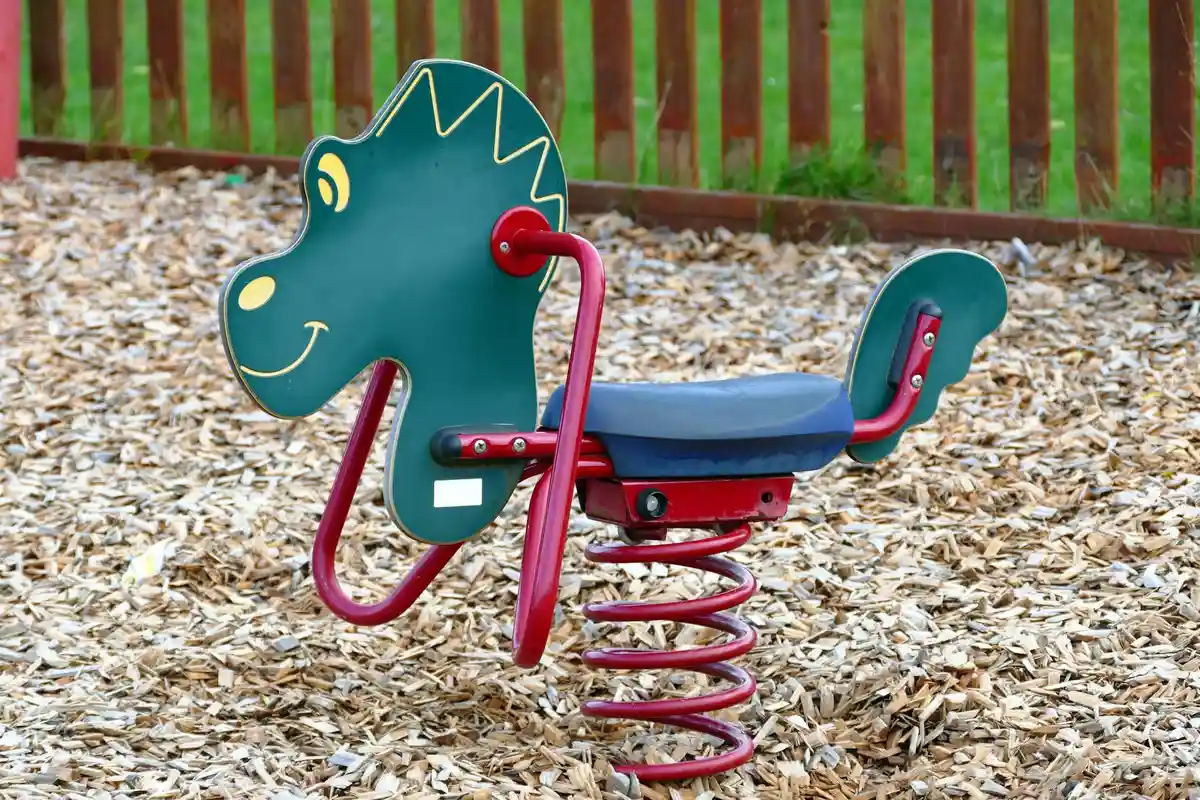
Other uses highlight how processing matters. Wood chips for whiskey smoking are carefully selected for flavor (like hickory or apple) and are often kiln-dried. Playground woodchips are engineered for size and safety, often from softwoods like cedar for cushioning and insect resistance. The chips you get for gardening are the raw, structural material.
The Science of Rot: How Wood Chips Decompose in Soil
Decomposition isn’t magic. It’s a microbial feeding frenzy. When you lay down chips, bacteria and fungi move in. They secrete enzymes to break apart the wood’s carbon chains for food. Any change in soil pH or nutrients is a side effect of this biological feast, not a chemical leak from the wood. In contrast, spalted wood by fungal activity often has compromised stability
The Nitrogen “Drawdown” Myth and Reality
The classic warning is that wood chips steal nitrogen. Here’s the truth. If you till fresh chips into the soil, you mix that high-carbon material right into the root zone. The microbes will indeed grab soil nitrogen to help them digest, temporarily locking it up. This is nitrogen immobilization.
When you use chips as a surface mulch, the effect is minimal. The decomposition happens mostly at the soil-chip interface. The nitrogen “drawdown” is very shallow and doesn’t rob your plant roots. I’ve tested this with side-by-side garden beds.
The rule is straightforward. Never till fresh wood chips into your planting beds. Use them as a top dressing over soil. Or, compost them first in a pile for six to twelve months. Once composted, the C:N ratio drops, and they become a soil amendment you can mix in.
Do Wood Chips Change Soil pH? The Truth About Acidity
Let’s address the core fear directly. Multiple university studies show that most wood chips cause only minimal, temporary shifts in soil pH. A well-buffered garden soil-one with good organic matter and mineral content-strongly resists pH change.
The real benefit of wood chips is building organic matter, which improves soil structure and water holding, not altering pH. Worrying about a tiny pH shift is missing the forest for the trees rather than evaluating the quality of wood.
Take the concern: are walnut wood chips bad for plants? It’s not about pH. Walnut contains juglone, a type of tannin. As a mulch on the surface, the allelopathic effect is very limited. The chips break down slowly, and juglone degrades with exposure and microbes. I avoid using fresh walnut chips directly on vegetable gardens, but for ornamental beds or paths, they’re perfectly fine after a short aging period. The issue is often overstated compared to the benefit of adding organic carbon.
Garden Application: A Woodworker’s Guide to Using Chips Right
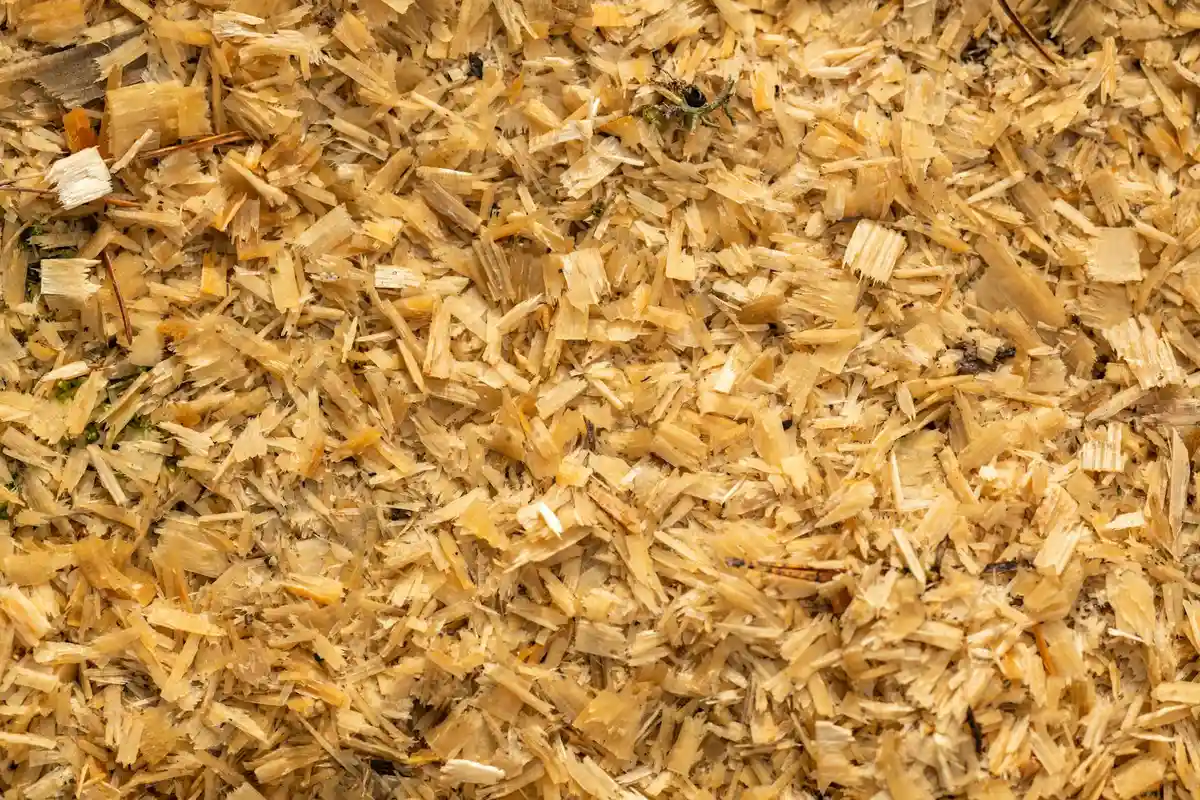
Think of a pile of wood chips like a rough-sawn board. You don’t fight its nature. You work with its grain, density, and movement. The same principle applies here. Use its properties to your advantage.
Where and How to Apply Wood Chip Mulch
Just as you choose maple for a countertop and pine for a shelf, match the chip to the job.
Ideal uses are areas you won’t disturb, letting the chips perform their long-term mulching role.
- Around trees and shrubs (the classic “tree doughnut”)
- Perennial flower beds
- Garden pathways and walkways
- As a base for new planting areas to smother grass
Less ideal uses include annual vegetable beds where you till or dig each season. Fresh chips mixed into that soil can tie up nitrogen right where your hungry tomatoes need it.
Applying chips is straightforward. Do it wrong, and you create problems. Do it right, and you build soil health.
- Apply chips on top of existing soil, never till them in.
- Aim for a consistent depth of 3 to 4 inches. Too thin lets weeds through. Too thick can restrict air and water.
- Keep the mulch a few inches away from plant stems and tree trunks. You want a “doughnut,” not a “volcano.” This prevents moisture and rot against the bark.
Many woodworkers ask me about using their planer or sander shavings. Are pine wood shavings good for the garden? They can be, but with a big caution. Their fine, fluffy texture is the issue. Pine shavings are highly combustible, and they mat down into a dense, water-shedding layer that can become anaerobic. I’ve seen it in my own compost pile. For mulch, stick with proper chips. Their chunkier size creates a loose, open structure that breathes.
The Age Factor: Fresh, Aged, and Composted Chips
Wood changes with age and exposure. Fresh lumber moves. Fresh chips can temporarily tie up soil nitrogen. Aged chips are more stable, like kiln-dried wood.
In this context, “aged” means chips from a pile that’s sat for 6 to 12 months, exposed to rain and weather. This jump-starts the decomposition process. The initial, hungry microbes have done their work, reducing the risk of nitrogen drawdown when you apply them.
You can identify aged chips by a faded, grayish color and a deep, earthy smell, like the forest floor.
If you get a truckload of fresh, green arborist chips, you have options. You can let them cure in a pile for several months. Or, use them immediately on pathways where nitrogen competition isn’t a concern. It’s about selecting the right material for the task, just like picking stock from the rack.
Troubleshooting Common Wood Chip Problems
Every material has its quirks. A board cups, glue oozes, and mulch can sometimes confuse you. Here’s how to diagnose and fix common issues.
Fungal Growth, Smells, and Pest Concerns
Seeing white, thread-like mycelium or mushrooms in your mulch is not a failure. It’s a sign of success.
This fungal network is the engine of decomposition, breaking down the wood and building soil structure. It’s as natural as seeing patina develop on an oak table.
A sour, vinegar-like smell is a problem. It means the mulch layer is too thick, too wet, and packed down, creating anaerobic conditions. The fix is simple: fluff it with a rake to let air back in.
Pests are a common fear. Research shows a mulch layer does not attract termites to healthy plants; termites seek consistent moisture and contact with soil. Slugs, however, will use the cool, damp underside as shelter. It’s a trade-off. If slugs are a major issue, keep mulch shallower around susceptible plants.
Correcting Over-Application and “Mulch Volcanoes”
The “mulch volcano,” where chips are piled high against a tree trunk, is a classic garden error. It traps moisture against the bark, inviting rot, disease, and girdling roots. It’s like trapping a sponge against the end grain of a post.
The right way is the doughnut method: a wide, even layer that starts a few inches from the trunk and extends to the drip line.
What if you accidentally tilled fresh chips into a garden bed? Don’t panic. You’ve essentially mixed in a huge carbon source. The microbes will need nitrogen to break it down. You can help them by adding a nitrogen-rich fertilizer like blood meal or a balanced organic blend. Think of it as adjusting the recipe for your soil’s biology.
Quick Soil Tests You Can Do
You check your wood’s moisture content. Checking your soil’s basic health is just as simple.
If you’re concerned about pH, get a simple test kit from a garden center. Wood chips are a slow, buffering influence; they are rarely the sole cause of a drastic pH swing. The test gives you a baseline. That baseline helps you decide on cleaning methods for wood, including whether to use mild acidic or alkaline solutions. Knowing the pH guides you to safe cleaners that won’t harm finishes.
The best test requires no kit. Scoop a handful of soil from beneath your mulch after a season. It should be crumbly and smell rich and earthy, like a forest after rain. If it smells sour or foul, your mulch layer is likely too compact and needs aeration. Your nose knows good soil.
Wood Chip FAQ: Sourcing, Specifications, and Specialized Uses
How does the climate in places like Phoenix or Perth affect wood chip selection?
In arid climates, wood chips are primarily valued for moisture retention and soil temperature moderation. Selecting locally sourced, coarse chips maximizes water infiltration and reduces evaporation loss, a critical material property for landscape function.
Is bagged mulch from Home Depot chemically different from arborist chips?
Bagged mulch is often a processed wood product, sometimes containing dyed lumber scraps or uniform hardwood. Arborist chips are raw, green material containing bark, wood, and sometimes leaves, offering a broader spectrum of organic compounds and a more variable carbon-to-nitrogen ratio.
What determines the price per kg for bulk wood chips?
Price is driven by processing cost, transport distance, and material uniformity, not the wood’s inherent nutrient value. A mixed-species arborist chip is typically cheaper per volume than a single-species, shredded, and screened decorative mulch due to lower manufacturing input.
Why are specific wood chips (e.g., hickory, apple) chosen for whiskey smoking?
Wood chips for smoking are selected for their flavor-impacting extractives and are processed (often kiln-dried) for consistent combustion. Hickory is a classic example, delivering a robust, smoky profile and a long burn that shapes smoke development. These traits illustrate how wood species influence burn behavior and flavor in smoking. This contrasts with garden chips, where structural lignin content and decomposition rate are the key material science parameters.
What material properties define safe playground woodchips?
Playground chips are engineered for impact attenuation and durability, requiring specific size gradation and low splinter risk. They are often from softwoods like cedar, chosen for their resilience and natural resistance to decay and insects under high-traffic conditions.
Putting Wood Chips to Work
Use wood chips as a mulch, not a soil amendment, to avoid nitrogen issues and improve soil health. Their primary job is to protect the soil surface and slowly break down over years. This process recycles carbon and nutrients back into the earth without drastically changing soil pH. Think of them as a long-term, protective finish for your garden beds.
Responsible material use extends from the workshop to the landscape. Choosing locally sourced, untreated chips and observing how your soil responds is the best way to learn and cultivate a healthier garden.
Expert Resources and Citations
- Do woodchips acidify soil? (soil forum at permies)
- Do Woodchips Make Soil Acidic, or Take Nitrogen from the Soil? | Ashridge Blog
- Wood chips, nitrogen, veggies – General Gardening – Growing Fruit
- Allotment Garden: Is mulch made from conifer wood chip or bark acidic?
- The urban myth about woodchips and nitrogen (soil forum at permies)
- 5 Best Softwood Wood Chips for Acidic Soil That Fix pH Naturally – FarmstandApp
David is a veteran woodworker. He is now retired and stays in his cabin in Wisconsin which he built himself. David has 25+ years experience working in carpentry and wood shops. He has designed and built many small and large wood projects and knows the science behind wood selection like the back of his hand. He is an expert guide on any questions regarding wood material selection, wood restoration, wood working basics and other types of wood. While his expertise is in woodworking, his knowledge and first hand experience is far from 'woody'.