What Can Wood Ash and Ash Wood Do for Your Woodworking?
You might view wood ash as mere fireplace residue and ash wood as just another hardwood option. I test both in my shop to turn potential waste into practical project solutions.
This guide provides shop-tested methods and scientific insight, covering ash wood’s best uses for durable furniture and tools, wood ash applications for finishing and safety, and the key material properties that make each one work.
I combine years of woodworking with materials science to give you advice that’s actually useful.
Ash Wood: A Woodworker’s Flexible Friend
When we talk about ash in the shop, we’re usually referring to White Ash or Black Ash. White Ash is the common star in North America, a hardwood you can often find at better lumberyards. Black Ash has a more limited range and a different character, prized for its use in basket weaving. In Europe, you’ll find European Ash, which is very similar to our White Ash in its working properties.
The physical properties of ash make it a standout. It has a notable toughness, which is a measure of its ability to withstand sudden impact. Its grain is typically very straight, and it has an excellent strength-to-weight ratio. For shock resistance, ash is the closest common rival to hickory, making it a top-tier choice for anything that needs to take a beating. In appearance, its light tan color and prominent grain patterns can look quite similar to white oak, though ash grain is usually more consistently straight.
So, is ash wood good for anything? Its historical reputation answers that loudly. Ash was the wood of choice for wagon wheels, baseball bats, and tool handles for generations because it simply doesn’t fail under stress. Modern woodworkers value it for the same durability and its excellent workability with both hand and power tools.
We must talk about the Emerald Ash Borer. This invasive beetle has devastated ash populations across North America. Sourcing ash responsibly today often means seeking out urban salvage, lumber from tree removal services, or verified sustainably managed woodlots. Using this beautiful wood is a way to honor the tree, not contribute to the problem.
The Science of Strength: Why Ash Handles Impact
The secret is in the wood’s cellular structure. Ash is a ring-porous hardwood. This means each growth ring starts with a band of large, open pores (vessels) for water transport in spring, followed by a dense band of summer wood with thick-walled fibers. Those long, flexible fibers are the key.
Think of a handful of long, thin straws bundled together. You can bend the bundle a great deal before any single straw snaps. Ash wood works the same way. The long grain fibers flex and slide past each other, absorbing and distributing kinetic energy throughout the piece instead of concentrating it into a single crack. This fiber structure is what gives ash its legendary bending strength, whether for a baseball bat or a steam-bent chair arm.
Projects for Ash Wood: From the Lathe to the Workbench
Ash isn’t just a theoretical wood; it’s a shop workhorse. It excels in projects that demand resilience and a clean, functional aesthetic, especially in woodworking.
Is ash good for wood turning? Absolutely, but it demands respect for its fibrous nature. My main shop note is to keep your gouges and scrapers razor-sharp. A dull tool will tear those long fibers instead of shearing them cleanly, leaving a rough surface. Start sanding at a lower grit than you might with maple to efficiently cut down any fuzz before moving up.
For bent work, ash is a premier choice. Its superior steam-bending quality comes from those flexible fibers. When making bent laminations for chair backs or sled runners, ash bends smoothly and holds the curve with minimal spring-back. I’ve had more consistent success with ash in the steam box than with oak.
For functional builds, ash is my frequent go-to:
- Tool Handles: Its shock absorption protects your joints. I make all my mallet and hammer handles from ash.
- Workbench Frames & Legs: It’s stiff, strong, and less prone to denting than softer woods, providing a solid foundation for a bench top.
- Kitchen Utensils: Spatulas, spreaders, and rolling pins benefit from ash’s durability, neutral odor, and food-safe potential when properly finished.
Finishing ash requires a decision. For a clear, natural look that highlights its grain, use an oil or oil-varnish blend. It will warm to a light honey tone. If you want a stained, darker look resembling oak, note that ash’s open grain can absorb stain unevenly. I always use a pre-stain wood conditioner on ash when staining to prevent a blotchy, messy result and achieve a consistent color.
The Ash Wood Technical Spec Sheet
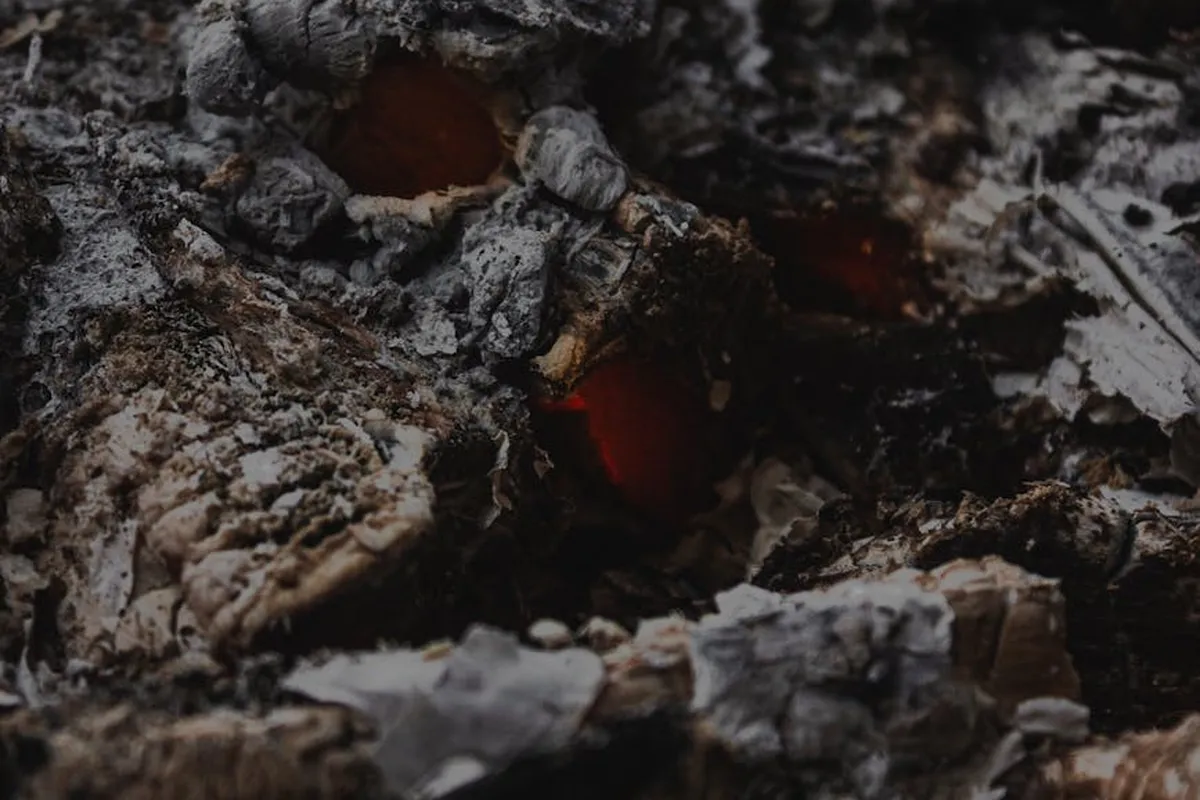
Before you buy a board or design a project, check these numbers. They tell you how the wood will behave in your shop and in your home.
- Janka Hardness (White Ash: 1320 lbf): This is a measure of resistance to denting. White ash sits between soft maple (950 lbf) and white oak (1360). This hardness makes it an excellent choice for chair frames, tool handles, and flooring-it can take daily punishment but won’t murder your plane blades like some exotics.
- Specific Gravity (0.60): This is its density compared to water. At 0.60, ash is a strong but medium-weight hardwood. Think of it like this: a board of ash feels substantial and solid in your hands, but it won’t be overly burdensome to move around like a slab of hickory (SG 0.75).
- Toxicity & Dust: The wood itself has minimal toxicity concerns. The real issue is the dust, which is a known respiratory irritant, much like oak dust. I always hook up my dust collector and wear a mask when milling ash. It’s non-negotiable for me.
- Movement Ratio (Moderate): This predicts how much a board will shrink and swell with seasonal humidity changes. Ash moves at a rate similar to red oak. In practice, this means you must account for wood movement in wide panels, just as you would with oak, using breadboard ends or frame-and-panel construction.
Wood Ash 101: What’s in the Hearth and How to Use It
Wood ash isn’t just trash. It’s the mineral skeleton of the tree left after combustion. When you burn wood, the organic compounds (cellulose, lignin) vanish as gas and heat. What remains are the inorganic minerals, primarily calcium carbonate and potassium salts. These minerals govern ash behavior during combustion, including melting points and slag formation. That, in turn, affects furnace efficiency and emissions.
This mix is strongly alkaline, with a pH between 9 and 13. That chemical fact is the key to all its uses. Alkaline substances can neutralize acids, break down greasy grime, and create chemical reactions.
So, can wood ash be used for anything useful in a workshop? Absolutely. I keep a sealed metal container of sifted, cool ash near my bench. It’s not just for moisture control or cleaning; it even has pest-deterrent properties.
- Rust Removal & Metal Polishing: Make a paste with ash and a little water. Its mild abrasiveness and alkalinity can clean light surface rust from old hand tools or polish tarnished brass hardware. I’ve used it to brighten up plane sides before.
- De-Greasing and Cleaning: Sprinkle dry ash on a greasy concrete shop floor or a dirty grill. Let it sit, then sweep it up. It absorbs oils and cuts through the film. It’s my go-to for winter workshop floor spills.
- Managing Ice Safely: Unlike rock salt, wood ash won’t harm concrete or soil. It provides traction on icy steps and melts ice through its dark color absorbing sunlight and its minerals lowering the freezing point slightly.
- For Fireplace & Wood Stove Maintenance: This is a common question. A thin layer of ash at the bottom of a stove or fireplace insulates the base, helping a new fire catch and burn more efficiently. However, letting it build up too much reduces airflow and efficiency. Always ensure ashes are completely cold-wait at least 72 hours-before transferring them to a metal container for storage or disposal.
Making and Using Lye from Ash: A Basic Chemical Process
This is where traditional chemistry meets the workshop. You can leach potassium hydroxide (lye) from wood ash. This is the first step in making old-fashioned soap or a powerful, natural cleaning solution. Safety is paramount: wear gloves and eye protection. Work in a well-ventilated area. Understanding pH and the difference between acidic and alkaline cleaners helps tailor approaches to wood. We’ll explore pH-balanced wood cleaning options in the next steps.
- Collect & Sift: Use only hardwood ashes (softwoods have different resins). Sift them through a fine screen to remove large charcoal chunks.
- Build a Leaching Barrel: Take a food-grade plastic bucket. Drill a small hole in the bottom and set it on blocks over a second collection bucket. Place a layer of straw or burlap in the bottom of the top bucket to act as a filter.
- Add Ash & Water: Fill the top bucket with sifted ash. Slowly pour soft rainwater or distilled water over the ash. Avoid tap water if it’s hard (high in minerals). The water will percolate through, dissolving the potassium salts, and drip out as a weak lye solution.
- Test the Strength: A fresh chicken feather or a small piece of potato will float in water. If the solution is strong enough, the alkali will saponify the oils on the feather, causing its barbs to dissolve. If a potato piece floats, the lye is likely too weak. If it sinks partially, you’re in the right range for soap-making.
This crude lye solution is caustic and can burn skin. Never use it undiluted or without protection. For shop use, I’ve diluted it significantly (one part lye water to ten parts water) to create a potent, grease-cutting cleaner for extremely dirty surfaces. For soap, you must carefully combine it with the correct amount of fat-a precise process beyond this guide’s scope.
Practical Shop and Garden Uses for Wood Ash
Before we talk about gardens, let’s talk about the shop. Wood ash is more than just waste. It’s a fine, dry powder with useful properties, but it isn’t effective for pest control in gardens.
The key is its alkalinity. Wood ash contains potassium carbonate and other soluble salts, making it caustic. This is the source of both its usefulness and its danger. Its chemical properties as a fertilizer—the high pH and soluble salts—shape how it should be used. Used carefully, wood ash can supply potassium and calcium without upsetting soil balance.
Workshop Applications
In the shop, I treat wood ash as a free, mild abrasive. Its fine grit is perfect for delicate jobs.
Use a damp cloth and a pinch of fine, sifted ash to polish rust or tarnish from hand planes, saw blades, or other steel tools. It’s less aggressive than commercial compounds, so you have more control. Rinse and dry the tool immediately after.
On dark woods like walnut or ebony, a chalk line can be hard to see. Try this: rub a white chalk marker into a line, then dust it lightly with ash. The dark powder clings to the chalk, creating a sharp, high-contrast line you can easily brush away later.
Spilled machine oil or finish on your shop floor? Sprinkle dry ash over it. The powder will absorb the liquid. Let it sit for ten minutes, then sweep it up. It’s not perfect, but it’s a great first response to contain a mess.
For the Garden (Beyond Basic Fertilizer)
Yes, ash provides potassium. But its main garden use is raising soil pH. Think of it as garden lime, but faster acting.
Some plants, like brassicas (cabbage, broccoli), grapes, and onions, thrive in sweeter, less acidic soil. A light dusting of ash around these plants can be beneficial.
The biggest mistake is over-application, which can “lock up” soil nutrients and harm plants like blueberries and potatoes that need acidic soil. I never apply more than a thin, sparse layer once a year and only after a soil test confirms my soil is too acidic.
The Vinegar Reaction
Mixing ash with vinegar creates a chemical reaction. The alkaline ash neutralizes the acidic vinegar, creating a fizzy, salty liquid.
This makes a mild, abrasive paste for cleaning glass fireplace doors or greasy grill grates. Mix a spoonful of ash with a few drops of vinegar to form a paste, scrub, then rinse thoroughly. The reaction also means you can use ash to neutralize an acid spill in the shop, like muriatic acid, before cleanup.
To make ash safe for certain uses, you must neutralize it first. You do this by carefully adding vinegar until the fizzing stops. What’s left is a neutral salt water you can safely dispose of.
A Note on Skin and Ash
Historically, ash mixed with fats was used to make lye soap. Direct use on skin, however, is a bad idea. Modern ash can contain micro-splinters of charcoal and its caustic nature can cause dryness and irritation. The variability of what was burned makes it unpredictable. I stick to using it on my tools, not on me. It’s a woodworking risk I’d rather avoid.
Safe Handling and Smart Storage for Ash and Ash Wood
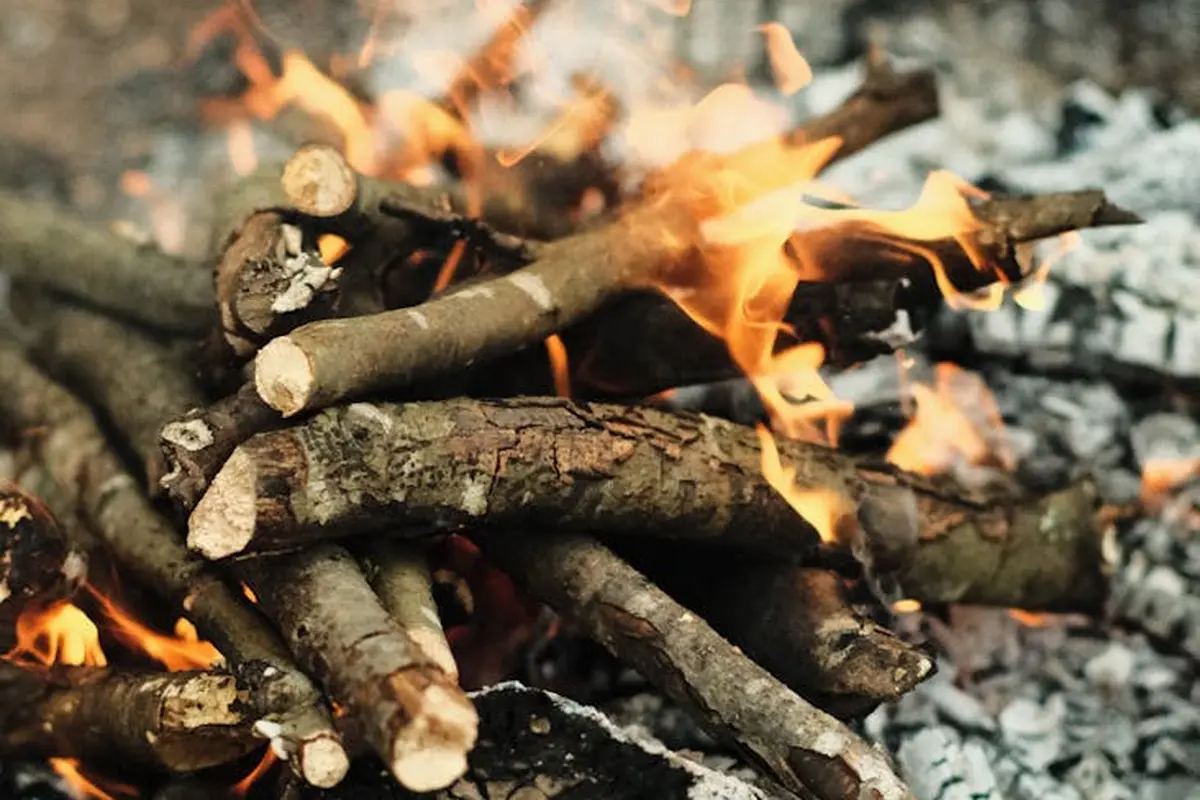
Safety with these materials isn’t complicated, but it is non-negotiable. Treating them with respect prevents shop fires, ruined projects, and chemical burns.
Working with Ash Wood
Ash is a dense, hard wood with interlocked grain. This makes it tough, but it also creates extra friction during cutting. Its density and other properties can be understood in comparison with other woods on our chart of wood density and sustainability.
Always use a sharp, high-tooth-count blade (like an 80-tooth crosscut blade) when machining ash to prevent burning and reduce kickback. A dull blade will smoke and glaze the cut surface.
The dust is particularly irritating. I never run my planer or table saw on ash without my dust collector running and a good respirator. The fine dust can trigger respiratory issues and will coat everything in a fine, abrasive powder.
Handling and Storing Wood Ash
This is the critical part. Always, always assume the ash is caustic and potentially hot.
Store completely cold, dry ash in a dedicated, sealed metal container with a tight lid. A metal garbage can works. Never use plastic, as lingering heat can melt it. Keep this container outside, away from your shop, house, or any flammable materials like wood shavings or gasoline.
When handling ash, even cold ash, wear gloves, safety glasses, and an N95 mask. Sifting it for fine powder kicks up dust you do not want in your lungs or eyes.
Disposal Protocol
Disposing of fireplace or stove ash requires patience. I follow a strict 72-hour rule.
- Let ashes cool in the fireplace or stove for at least 3 days.
- Transfer them carefully to a metal ash bucket with a lid.
- Let that bucket sit outside on a non-flammable surface (dirt, concrete, stone) for another 3 days.
- Only then do I consider the ash “cold” enough to add to my metal storage can or to sprinkle in the garden. Before spreading, I always place a handful on the back of my bare hand. If I feel even a hint of warmth, it goes back to wait longer.
This process seems slow, but buried embers can stay hot for days. It’s the only reliable way to prevent a trash fire.
Wood Ash & Ash Wood: Shop and Garden FAQs
1. Is ash wood better than hickory for tool handles?
Ash is a premier choice due to its excellent strength-to-weight ratio and shock-absorbing, long-fibered cellular structure. While hickory is slightly harder, ash provides a superb balance of durability and workability for handles and striking tools.
2. Why is wood ash considered a “fast-acting” garden amendment?
Its soluble potassium carbonate raises soil pH more quickly than powdered limestone. Apply it only to acid-loving plants like brassicas, and always after a soil test to avoid nutrient lock-up from over-alkalization.
3. How does a wood ash base improve my fireplace or stove efficiency?
A one-inch layer of ash insulates the stove’s base, reflecting heat upwards to help new wood catch faster. However, excessive buildup impedes critical airflow to the fuel, significantly reducing combustion efficiency.
4. Can I use the lye leached from ash for shop cleaning?
Yes, a heavily diluted leachate is a potent, biodegradable degreaser for shop floors or tools. Always wear protective gear, as the solution is caustic and requires careful handling and neutralization before disposal.
5. What’s the practical benefit of mixing wood ash with vinegar?
The acid-base reaction creates a fizzy paste with mild abrasive properties, useful for scrubbing glass or metal. This same reaction allows ash to safely neutralize accidental acid spills on your workbench before cleanup.
Final Thoughts on a Versatile Material
Ash wood is a powerhouse for structural projects and steam bending, while wood ash is a potent, alkaline workshop resource. The most critical advice is to always respect the chemistry: treat fresh wood ash as a source of lye and wear proper protection when handling it. Test any ash paste or slurry on scrap wood first to see how it interacts with your finish or changes the wood’s color. Understanding both the lumber and its byproduct lets you work smarter and waste less.
If you source ash wood, seek out suppliers practicing responsible forestry, like those offering FSC-certified stock, to support the health of these trees for future projects. True craftsmanship means knowing your material’s entire story, from its growth in the forest to its final form in your shop and even the safe use of its remnants.
Research and Related Sources
- Uses for Wood Ash at Home and in the Garden
- r/woodworking on Reddit: Ash uses?
- 21 Useful Ways to Repurpose Fire Pit Ash – Fire Pit Art
- Ash Wood: Facts, Uses, & More | Arnold Wood Turning
- What are the best uses for wood ash? – Certainly Wood
Written by David Ernst. David is a veteran woodworker. He is now retired and stays in his cabin in Wisconsin which he built himself. David has 25+ years experience working in carpentry and wood shops. He has designed and built many small and large wood projects and knows the science behind wood selection like the back of his hand. He is an expert guide on any questions regarding wood material selection, wood restoration, wood working basics and other types of wood. While his expertise is in woodworking, his knowledge and first hand experience is far from 'woody'.