
What Wood Can Handle Coastal Humidity Without Warping or Rotting?
Building furniture for a beach house or a humid workshop? You’re right to focus on wood movement and decay resistance from the start.
This guide moves past basic lists to the practical materials science. We will cover the mechanics of wood movement in humidity, specific species ranked by real-world durability, and how to select and finish wood for lasting stability.
My recommendations are based on personal shop tests and materials science, tracking how different woods actually perform under sustained moisture stress.
Why Wood Fails Near the Coast: The Science of Salt, Sun, and Swell
To fix the problem, you first need to know how it breaks. Wood is hygroscopic. Think of its cellular structure not as a solid block, but as a dense bundle of microscopic, hollow straws. These straws constantly absorb and release water vapor from the air.
This constant breathing is the root cause of almost all wood movement and failure.
Coastal conditions deliver a triple threat that accelerates this process. First, you have relentless, high humidity. The wood never gets a true dry season to stabilize. Second, salt is a persistent enemy. It accelerates the corrosion of metal fasteners like screws and nails, leading to ugly staining and joint failure. It can also degrade many film-forming finishes from the inside out.
Third, intense UV radiation from the sun bleaches color and breaks down the lignin that binds wood fibers together, causing surface checking and a fuzzy, gray texture. This is a classic example of sunlight UV wood bleaching under outdoor exposure. It helps explain why untreated wood fades and becomes gray over time.
It’s vital to differentiate between two types of failure. True decay is a biological process caused by fungi that digest the wood cell walls. This requires sustained moisture. Swelling, shrinking, cracking, and joint failure are mechanical processes caused by the wood moving as its moisture content changes. A piece can mechanically fail long before any rot sets in.
This brings us to Equilibrium Moisture Content (EMC). Imagine a dry sponge in a steamy bathroom. It will absorb moisture from the air until it matches the humidity of the room. That’s its EMC. Wood does the same. In a coastal climate with 80% average relative humidity, wood’s EMC will settle around 16%. If you build with wood kiln-dried to 8% (standard for interior furniture), it will swell significantly as it reaches that new, higher EMC, potentially warping or breaking joints. To prevent surprises, measure wood moisture content before use. A quick moisture content check with a meter can show whether the wood is at the right EMC to avoid swelling and gaps.
How to Judge a Wood’s Suitability: The Three Rules for Coastal Durability
Choosing wood isn’t just about picking a “hard” wood. You need a wood built for the specific fight. Follow these three rules.
Rule 1: Natural Rot Resistance from Extractives
Some trees produce natural chemicals-oils, tannins, and resins-as a defense against insects and fungi. We call these extractives. In coastal projects, they are your first line of defense. Woods like teak, ipe, and western red cedar are packed with them.
This natural resistance means the wood can handle moisture exposure without inviting destructive organisms to move in. A word of caution: sustainability matters. Always seek verifiable certifications like FSC for tropical hardwoods to ensure ethical sourcing.
Rule 2: Dimensional Stability (Low Movement Coefficient)
Even if a wood resists rot, it can still tear itself apart by swelling and shrinking. We measure this tendency with a “shrinkage coefficient.” Lower is better. For example, white oak moves about 2.6% tangentially between green and oven-dry. Eastern white pine moves about 3.5%. That 0.9% difference is massive over a wide tabletop.
I prioritize stability often over extreme hardness. A stable wood like cypress or well-seasoned teak will hold its joints tight for decades, while a unstable but hard wood may develop cracks at every fastener.
Rule 3: Workability and Fastener Compatibility
The most durable wood is useless if you can’t build with it. Oily tropical hardwoods like ipe can be difficult to glue; you must wipe joints with acetone just before assembly and use specific epoxy or polyurethane adhesives. These same oils can corrode standard steel fasteners rapidly. Understanding wood adhesive strength species joint types helps you choose the right approach for a durable bond. Different joints can influence how a given adhesive behaves with oily tropical woods.
You must match your hardware to the wood: use stainless steel, silicon bronze, or hot-dipped galvanized fasteners for any coastal project, without exception. Also consider workability. Some ultra-dense woods blunt tools quickly and are difficult to machine, adding time and cost.
| Wood Type | Natural Rot Resistance (Rule 1) | Dimensional Stability (Rule 2) | Workability & Notes (Rule 3) |
|---|---|---|---|
| Teak | Excellent | Excellent (Very Stable) | Moderate. Oily, requires solvent wipe for gluing. Blunts tools. |
| Spanish Cedar | Good | Good | Excellent. Easy to work, like a softer mahogany. Great for humidor builds. |
| White Oak | Good (Heartwood) | Good | Good. Use quarter-sawn for best stability. Corrodes ferrous metals fast. |
| Cypress | Good (Heartwood) | Very Good | Excellent. Soft, easy to work, often locally sourced in coastal regions. |
| Ipe | Exceptional | Excellent | Poor. Extremely hard, difficult to machine, very oily. A durability brute. |
| Western Red Cedar | Good | Good | Excellent. Very soft and light, easy on tools. Best for siding, trim, non-structural. |
The Top-Tier Coastal Hardwoods: Premium Performance
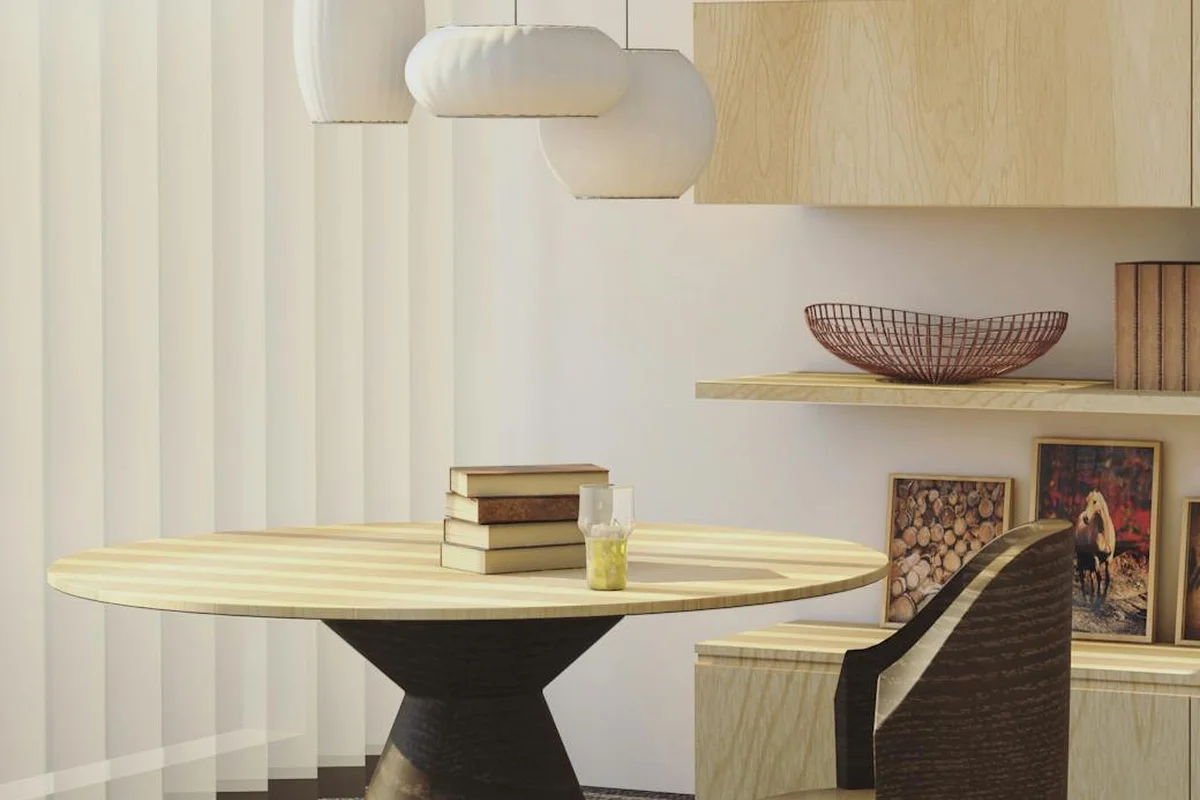
When salt air and constant dampness are factors, you need wood that fights back. Premium tropical hardwoods like Teak, Ipe, and Mahogany earn their reputation through dense cellular structures and natural preservatives. I have tested these in my shop for years, and their performance is unmatched, but each comes with a specific set of rules for working with it.
Let’s start with Teak. Its legendary durability comes from high levels of natural oils and silica. From a shop perspective, that silica is an abrasive that will ruin high-speed steel tool edges in minutes; I now use only carbide-tipped blades and router bits when milling teak. It’s expensive and often imported, making it best for high-visibility, high-wear projects like boat trim, decking, and outdoor furniture. Be wary of its source, as old-growth teak is often overharvested. Look for wood certified by the Forest Stewardship Council (FSC) to ensure sustainable forestry practices.
Ipe is another beast entirely. It’s incredibly dense and hard, with a Janka rating that rivals some metals. My main shop note for Ipe is to always pre-drill for fasteners, as its hardness can snap screws and split the wood if you don’t. This makes it fantastic for heavy-use decking and boardwalks where longevity is critical. However, its cost is very high, and most Ipe is harvested from tropical rainforests. Sourcing it ethically requires diligent research into the supply chain.
Genuine Mahogany and its cousin Sapele offer a different balance. They are rich in natural oils that resist rot but are generally easier to machine than Teak or Ipe. The catch is their interlocked grain, which can lead to tear-out during planing; you need extremely sharp, well-set tools to get a clean surface. They are more available than Teak but still carry a moderate to high price tag. I prefer them for boat parts, exterior trim, and fine outdoor furniture where workability matters. Genuine Mahogany is a threatened species, so I often choose Sapele as a more sustainable and readily available alternative with nearly identical properties.
Technical Spec Sheet: Premium Coastal Hardwoods
This table compares the key material science metrics that predict performance in humidity. The Janka Hardness tests resistance to wear and denting. The Movement Coefficient quantifies how much the wood shrinks and swells with moisture changes (a lower number is better). The extractives are the natural chemicals that provide rot and insect resistance.
| Species | Janka Hardness (lbf) | Avg. Movement Coefficient | Key Natural Extractives |
|---|---|---|---|
| Teak | ~1,000 | Low (~2.2%) | High silica, natural oils |
| Ipe | ~3,500 | Very Low (~1.5%) | Dense resins, tannins |
| Genuine Mahogany | ~800 | Moderate (~3.7%) | Natural oils |
| Sapele | ~1,400 | Moderate (~3.9%) | Natural oils |
Workability Notes: Teak is tough on tools, Ipe is very difficult to work, and Mahogany/Sapele are moderately easy but prone to tear-out. Price ranges from $$$$ for Ipe and old-growth Teak to $$$ for Mahogany and Sapele. These costs reflect rarity, import logistics, and the superior natural durability you are buying.
Smart, Accessible Alternatives: Reliable Domestic Species
You do not always need to import tropical lumber. Several North American species offer exceptional durability for a fraction of the cost. The trade-off usually involves more weight, more movement, or a softer surface, but for most projects, these woods are more than capable.
Champion White Oak is my first recommendation. Its cellular structure is filled with balloon-like plugs called tyloses. These tyloses make the wood vessels water-tight, which is why white oak has been used for centuries in boat building and wine barrels. It is heavy, and its high tannin content will react with iron fasteners and water to create blue-black stains. Use stainless steel or galvanized hardware. For the price, you get a lifespan comparable to many premium imports.
Western Red Cedar is the softwood star. It is not hard, so it dents easily, but it is packed with thujaplicins, extractives that make it highly resistant to decay. This makes cedar ideal for applications where it is not walked on or abused, like siding, trim, garden boxes, and outdoor furniture frames. It is lightweight, easy to work with hand tools, and generally affordable. Think of it as a soft but long-lasting shield against the elements.
Do not overlook Black Locust or Cypress. Black Locust is a domestic hardwood with a Janka hardness and natural durability that rivals Ipe. It can be hard to find in wide boards, but it is a superb choice for structural posts, decking, and outdoor furniture. Cypress, like cedar, is a softwood with good rot resistance due to cypressene oils. It works similarly to pine but will last much longer in wet conditions, making it a classic for porch ceilings, shutters, and exterior millwork.
The real calculation is cost versus lifespan: a white oak deck may cost half as much as an Ipe deck and still last for decades with proper maintenance. Cedar siding might need repainting or staining more often than teak trim, but the initial material savings are substantial. Choose based on your project’s specific demands and your budget, knowing that excellent performance does not require a tropical price tag.
The Mechanism of Defense: How Extractives and Structure Fight Rot
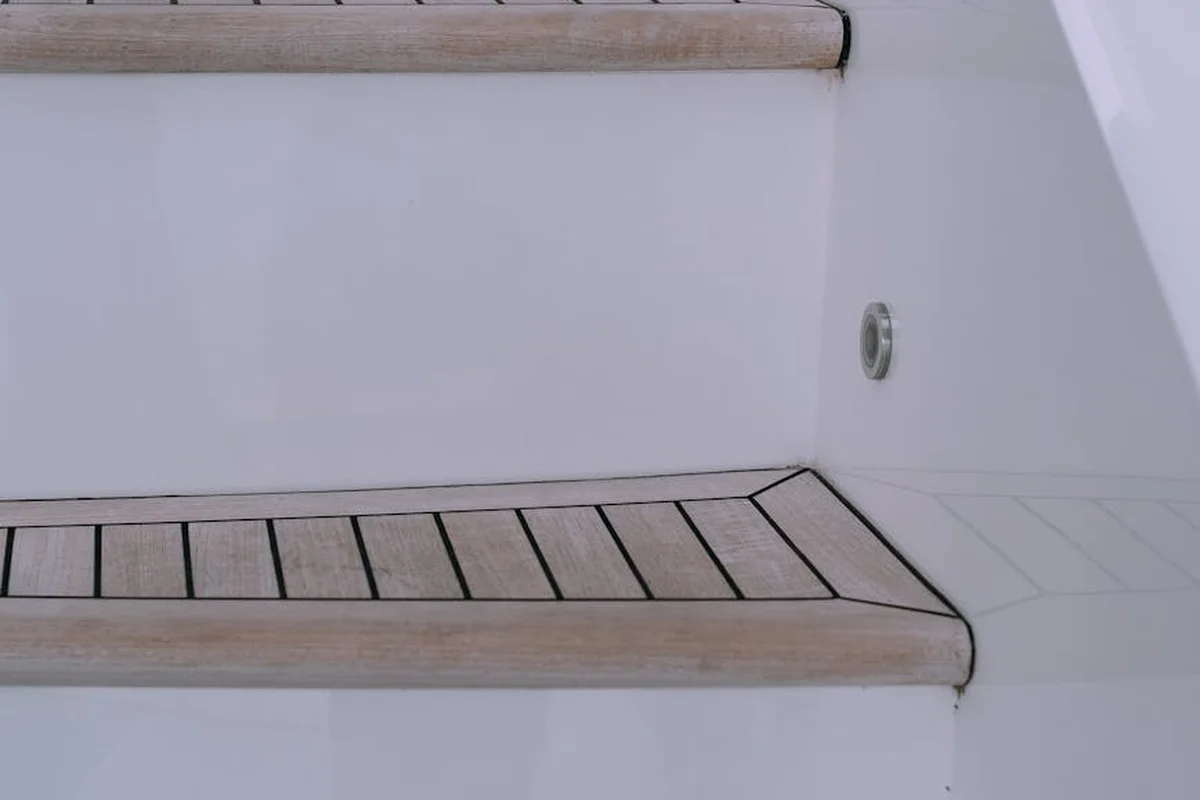
Think of a piece of wood as a bundle of tiny straws. In damp conditions, water wants to climb up those straws. Rot fungi want to move in and eat the straw walls. Durable woods have built-in security systems to stop them.
The first line of defense is chemical. Heartwood contains natural preservatives called extractives-oils, resins, and tannins. These compounds do two jobs. They make the cell walls hydrophobic, meaning they repel water. They are also toxic to the fungi and insects that cause decay. This is why the deep, rich heartwood of species like cedar, teak, and redwood lasts for decades outdoors, while the pale sapwood of the same tree decays quickly.
The second defense is physical. In some species, like white oak and teak, the pores between the straws get plugged with balloon-like structures called tyloses. This literally blocks the internal highway for water. A wood with tyloses is like a sponge filled with wax; water can’t penetrate deeply.
Here’s the critical buying tip this science leads to. When you select lumber for a wet environment, you must specify heartwood. Sapwood is virtually always non-durable, regardless of the species. If you see pale streaks or edges on your boards, that’s sapwood. Either cut it off or plan for it to be the first part to fail.
Building for the Damp: Joinery, Glue, and Fasteners That Last
Choosing rot-resistant wood is only half the battle. How you assemble it determines ultimate success. Your goal is to design joints that shed water, use adhesives that ignore moisture, and select fasteners that won’t turn to rust.
Water pools. Your joinery should encourage it to run off. Avoid flat, horizontal surfaces where boards meet. Instead, design sloped joints. A classic example is a “waterfall” edge on a table, where end grain is mitered to seamlessly flow into long grain, leaving no exposed end grain trap. Always chamfer or round over edges; that tiny slope breaks water’s surface tension and helps it drip off.
Standard yellow wood glue (PVA) is a recipe for failure in damp conditions. It is water-soluble and becomes brittle. For any project exposed to humidity, you need a waterproof adhesive. I use two types in my shop. Epoxy forms an impermeable plastic barrier and is incredibly strong for structural joints. Polyurethane glue (like Gorilla Glue) foams as it cures, filling gaps, and cures in the presence of moisture. If an outdoor glue joint has failed on you, especially when comparing epoxy, polyurethane, and PVA glues for outdoor use, the adhesive was almost certainly the weak link, not the wood itself.
Your fasteners must be as durable as your wood. Common steel screws will corrode, stain the wood, and lose strength. Use these metal fasteners instead:
- 316 Stainless Steel: Often called marine-grade stainless. It is highly resistant to salt spray and corrosion.
- Silicon Bronze: Beautiful, strong, and famously corrosion-resistant. It’s my first choice for traditional boatbuilding methods.
- Hot-Dipped Galvanized: The zinc coating provides a sacrificial layer that rusts first, protecting the steel underneath. Ensure it’s hot-dipped, not electroplated, for thick coating.
Remember, you are building a system. The best wood in the world will underperform if it’s assembled with the wrong glue and held together with cheap screws.
Finishing (Or Not Finishing) Your Coastal Wood Project
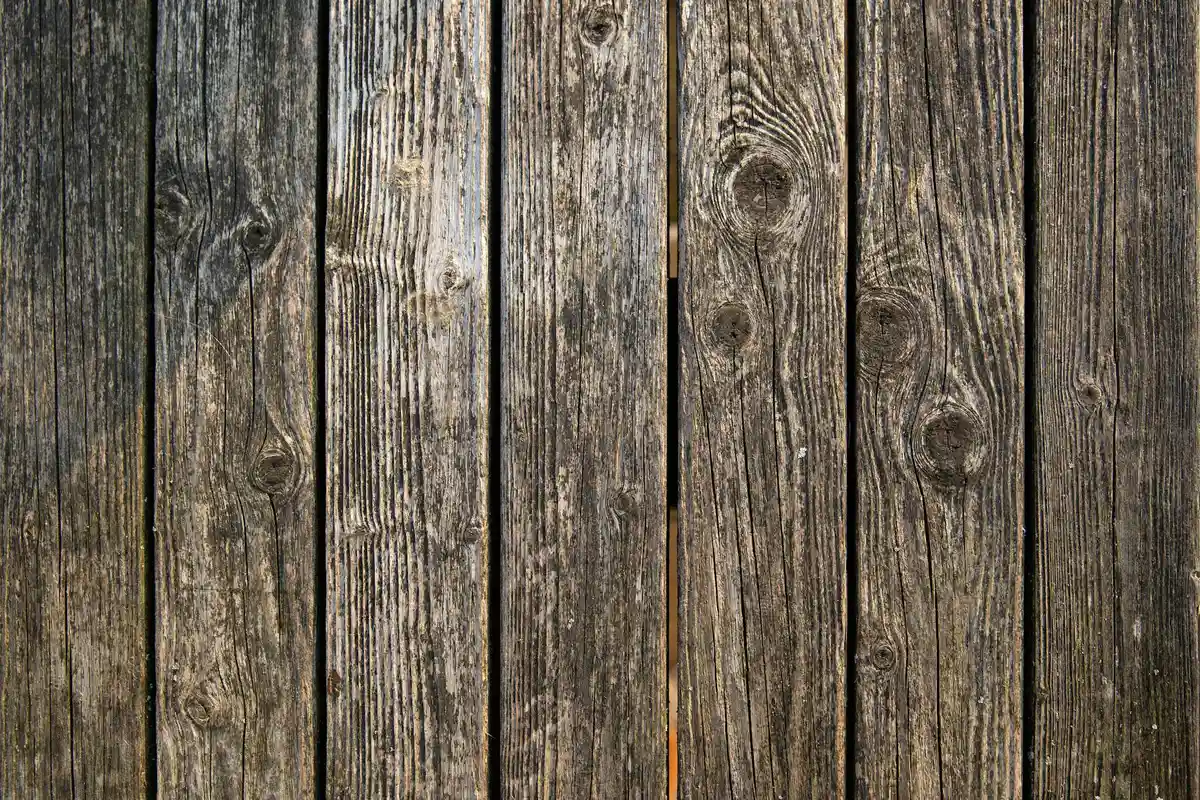
The final step for your coastal wood isn’t just about looks. It’s a critical defense strategy. The right finish protects against the two main enemies: water and ultraviolet light. I’ve tested countless products in my shop’s humidity chamber and on outdoor test racks. The results are clear.
To Gray or Not to Gray
This is a stylistic choice, but you should know the science behind it. Letting wood weather to a silvery-gray patina is a valid, low-maintenance option. That gray color is the wood’s lignin (the glue holding fibers together) breaking down under UV light. All you’re left with is bare, exposed cellulose fibers, which are highly susceptible to water damage and checking. I let my cedar fence go gray, but I’d never leave an ipe deck unprotected. Letting wood gray is an aesthetic acceptance of its slow degradation.
Applying a finish is about preservation. You are maintaining the wood’s original color and structural integrity by blocking UV rays and repelling liquid water. Your choice here dictates your future maintenance schedule, as not all finishes offer equal protection against UV degradation.
Handling Oily Tropical Hardwoods: Teak and Ipe
Teak and ipe are famously durable, largely due to their high natural oil and silica content. This is also why traditional varnishes fail spectacularly on them. Film-forming finishes like polyurethane or spar varnish sit on the wood’s surface. The oils within the wood continue to migrate to the surface over time, creating a barrier between the wood and that hard film. The result is inevitable peeling and flaking, often within a single season. In the teak vs ipe outdoor durability debate, finish interactions are a key factor. Understanding how each wood behaves outdoors helps explain their longevity patterns.
For these oily woods, you must use a penetrating oil finish, not a surface film. A high-quality teak oil or penetrating tung oil saturates the wood cells without forming a thick layer on top. It protects from within and allows the wood to breathe, accommodating its natural oil movement. Reapplication is simple: just clean the surface and add more oil. It’s a maintenance rhythm, not a refinishing nightmare.
Finishing Less-Oily Woods: Cedar, Cypress, and White Oak
Woods like Western Red Cedar, Cypress, and White Oak have less obstructive natural oils. This gives you two excellent, protective options beyond simple paint.
First, a UV-blocking translucent stain. These contain pigments that sit in the wood grain to filter sunlight, plus resins that repel water. They preserve the wood’s textured look while offering strong protection. I use these on cedar siding and garden furniture.
Second, a marine-grade spar varnish. This is your top-shelf protection for projects like boat trim or exterior doors. Marine spar varnishes are formulated with UV absorbers and are more flexible than indoor varnishes, allowing them to handle wood movement without cracking. They create a glossy, protective film that maintains the wood’s rich color. The trade-off is that when it eventually fails, you must sand it off completely and start over.
A Step-by-Step Method for a Marine Spar Varnish
This is my tested method for a durable, clear finish on a piece like an oak exterior door. Preparation is 90% of the success.
- Prep the Surface. Sand thoroughly to 180-grit. For woods like cedar or oak, I “raise the grain” first. Dampen the surface with a wet rag, let it dry fully (overnight), then sand lightly with 180-grit again. This removes tiny wood fibers that would swell later and ruin your smooth finish.
- Clean and Condition. Vacuum the entire piece, then wipe it down with a tack cloth or a lint-free rag dampened with mineral spirits. This removes every speck of dust.
- Apply the First Coat. Thin your first coat of varnish by about 10% with the manufacturer’s recommended thinner (often mineral spirits). This creates a better seal and bond. Apply with a high-quality natural bristle brush, following the grain. Let this seal coat dry completely as per the can’s instructions, usually 24 hours.
- Sand Between Coats. Lightly sand the entire surface with 220-grit sandpaper. You are not trying to remove the finish, just to knock down any dust nibs and create a mechanical bond for the next coat. Clean thoroughly with a tack cloth again.
- Build the Film. Apply 3 to 5 more full-strength coats, repeating the sand-and-clean process between each one. For maximum protection in full sun, I apply a minimum of five total coats. Thin, multiple coats create a more flexible and durable barrier than one or two thick, gummy coats.
- Final Cure. Allow the final coat to cure for at least 72 hours before exposing the piece to weather. Full hardness develops over a week or more.
If you see whitish clouding under the finish (blushing), it’s often caused by applying varnish in high humidity. Work in a dry environment, or use a varnish formulated to resist blushing.
Coastal Wood FAQ: Science for the Bench
1. Can laboratory durability ratings (like ASTM D2017) reliably predict real-world coastal performance?
Standardized lab tests measure resistance to decay fungi under ideal conditions, providing a good baseline. However, they often don’t account for the combined assault of UV, salt, and mechanical swelling, so field performance can differ.
2. How critical is acclimating wood to local humidity before building, and for how long?
It is essential to prevent immediate, drastic movement. Acclimate milled stock in your shop environment until its moisture content stabilizes near the local Equilibrium Moisture Content (EMC), which can take several weeks for thick stock.
3. For a durable species like White Oak, how do I ensure I’m getting the rot-resistant heartwood?
Specify “all heartwood” when ordering and visually inspect boards. The pale, creamy sapwood lacks protective extractives; its presence on board edges significantly compromises long-term durability in wet service.
4. What is the best mechanical strategy for joining woods with very different movement coefficients?
Use floating joinery that accommodates movement, like slots for tabletop fasteners or captured panels in frame-and-panel construction. Avoid rigidly fixing woods with dissimilar expansion rates across their grain.
5. Is a “maintenance-free” exterior wood finish possible in a salt-air environment?
No finish is truly permanent; UV radiation and salt degradation are relentless. The most robust strategy is using a deeply penetrating oil finish on oily woods or a high-film-build marine varnish on others, with a planned reapplication schedule.
Final Thoughts on Building for Humidity
The single most critical rule for coastal projects is to design for wood movement first and choose species second. No finish is a perfect seal against moisture vapor. Select a stable, decay-resistant species like teak, white oak, or Spanish Cedar as your foundation. Then, use joinery and construction methods that allow the wood to expand and contract without splitting. This combination is your best defense against a humid environment.
Choosing wood from responsibly managed forests is a direct investment in the material’s future availability. Your project’s longevity starts with understanding the science behind the grain, so never stop testing finishes and techniques on scrap pieces first.
Sources and Additional Information
- Wood warping – Wikipedia
- No. 68 November, 1993 Causes And Cures For Warp In Drying
- What Causes Wood to Warp and How to Fix it? – TheDIYPlan
- 5 Wood Types That Warps the Least
- Dealing with wood warp in a finished project | Woodworking Talk
- Why Wood Warps and How to Prevent and Fix It | The Art of Hand Tools
David is a veteran woodworker. He is now retired and stays in his cabin in Wisconsin which he built himself. David has 25+ years experience working in carpentry and wood shops. He has designed and built many small and large wood projects and knows the science behind wood selection like the back of his hand. He is an expert guide on any questions regarding wood material selection, wood restoration, wood working basics and other types of wood. While his expertise is in woodworking, his knowledge and first hand experience is far from 'woody'.