
Is Wood Ash a Reliable Pest Control and Garden Amendment?
After a woodworking project, you might see that pile of ash as a potential garden helper or pest solution. I’ve mixed it into soil and sprinkled it around plants myself, so let’s look at the facts.
This article provides shop-tested guidance and scientific insight on the true composition of wood ash, its verified impact on insects and slugs, and how to use it effectively without damaging your garden’s balance.
My recommendations come from personally testing ash from various woods in my shop and tracking the results in my garden over seasons.
What Is Wood Ash, Really?
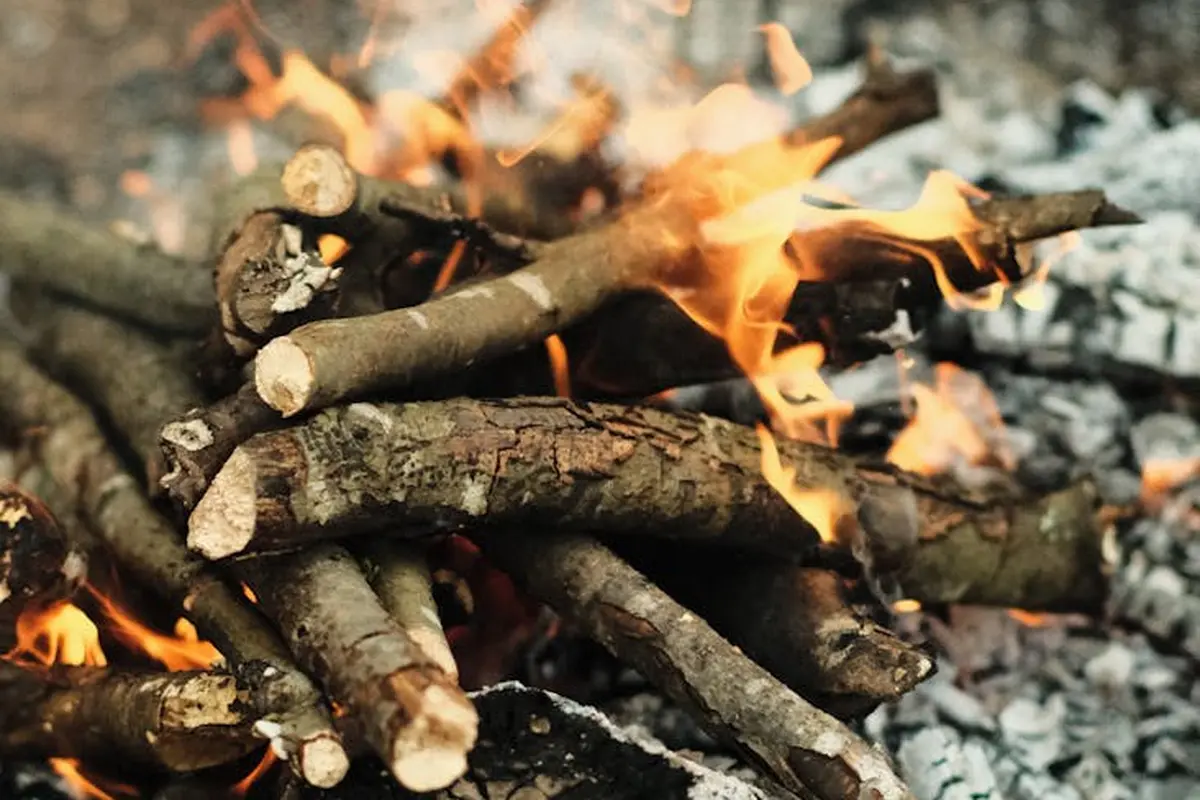
When you burn wood in your stove or fire pit, the cellulose and lignin vanish as heat and gases. What remains is the mineral skeleton of the tree. Wood ash is not a magic powder; it is the concentrated, non-combustible residue from burning wood. I save ash from my shop’s wood stove, but I treat it like any other material-by understanding what it actually contains.
Its composition is mostly calcium carbonate, which is garden lime. You also get potassium, often called potash, along with trace minerals like magnesium and phosphorus. Critically, wood ash contains virtually no nitrogen, as that element burns away completely during combustion. This means it can never be a complete, balanced fertilizer for your plants.
Not all ash is equal. Hardwoods like oak and maple generally yield ash with more nutrients per pound than softwoods like pine. The only ash you should ever use comes from clean, untreated lumber or firewood. Ash from painted, stained, or pressure-treated wood contains toxic chemicals and heavy metals. I never use ash from any project scraps that aren’t 100% natural wood. As a fertilizer, wood ash provides calcium and potassium along with trace minerals, but its composition varies by wood type and burn conditions. Understanding these chemical properties helps guide safe and effective application.
The Biggest Wood Ash Myths and Where They Crack
You might hear wood ash called a “forgotten super-material” used for everything from soap to mortar. While it has historical uses, this idea gives it a mythical status it doesn’t deserve. Treating wood ash as a cure-all is a recipe for disappointment, and sometimes, for harming your garden. Some old methods talk about extracting lye from wood ash as a pantry-friendly fix, but that claim deserves scrutiny. We’ll unpack what extracting lye from wood ash actually entails and why it’s not a universal solution for gardening. Let’s break down where the common advice fails.
Myth: A Heavy Dusting Kills All Garden Pests
Many gardeners swear by a ring of ash to stop slugs. It can work, but not for the reason most think. Wood ash is a physical irritant and a desiccant. It scratches and dries out soft bodies. This makes it a decent barrier for soft-bodied pests like slugs and snails, but it is utterly useless against hard-shelled insects like beetles.
I’ve tested this in my own garden. A dry, wide circle of fine ash can deter slugs overnight. But the moment dew forms or it rains, the ash turns into a wet paste. Once wood ash gets wet, its pest control effect is completely gone. You are left with a alkaline mud, not a pesticide.
Myth: It’s a Pure, Concentrated Potash Fertilizer
“Potash” is just a common name for potassium, a key plant nutrient. Wood ash does contain potassium, but calling it a pure potash source is misleading. The potassium content in ash is mild and highly variable, depending entirely on the type of wood you burned. Ash from my hard maple might have 5% potassium, while ash from pine could be half that.
Contrast this with a commercial potassium sulfate fertilizer, which has a guaranteed and consistent analysis, like 0-0-50. For predictable results in the garden, a commercial fertilizer is a reliable tool; wood ash is an inconsistent supplement. I use ash to lightly boost potassium in my compost pile, but I never rely on it alone to feed my plants.
Myth: You Can Apply It Anywhere, Anytime
Wood ash is alkaline, with a pH around 10 to 12. Spreading it randomly can seriously damage your soil chemistry. Applying wood ash around acid-loving plants like blueberries, azaleas, or rhododendrones will likely harm them by raising the soil pH too high. Just as soil pH matters, wood cleaning pH solutions also depend on the right balance. Cleaners come in acidic or alkaline forms to lift grime without damaging the wood finish.
Timing matters, too. I avoid using ash on seedlings or fresh transplants. Their young roots are sensitive to salt and pH shifts. The most important rule is to never, ever mix wood ash with nitrogen fertilizers like ammonium sulfate. This combination can create ammonia gas, which is toxic and will strip the nitrogen right out of your soil.
Myth: It Cures Plant Diseases
The alkalinity of wood ash can suppress the germination of some fungal spores on the soil surface. This is not a cure. Dusting ash on a plant with powdery mildew or blight might slightly slow the spread, but it will not eliminate the disease. It’s a mild suppressant, not a treatment.
Compare this to a targeted, approved fungicide like copper soap or sulfur. These products are formulated for specific pathogens. Using wood ash to fight disease is like using a dust cloth to stop a flood; it might manage a small splash, but it won’t solve the underlying problem. For plant health, focus on proper spacing, airflow, and approved remedies.
The Science of Ash: How It Works (and Doesn’t)
Think of wood ash not as a magical powder, but as a specific material with chemical and physical properties. Using it effectively means understanding its mechanism of action, just like choosing the right wood glue for a joint.
The Alkalinity Factor: Changing Soil pH
Wood ash is alkaline because it contains calcium carbonate, the same compound in garden lime. When you add it to soil, it raises the pH, making it less acidic. This is its most predictable effect. Wood chips, when present, can influence soil pH and nutrients as they break down. This extra factor can affect how ash amendments behave in your garden. The key is that this change is slow and persistent, much like how a wood finish cures over time.
You can test ash alkalinity with a simple shop test. Sprinkle a pinch of sifted ash into a small bowl of white vinegar. If it fizzes, it’s alkaline and active.
This pH shift is good for some plants, bad for others.
- Plants that often benefit: Lawns, brassicas (like kale, cabbage), and garlic prefer sweeter (less acidic) soil.
- Plants that suffer: Acid-loving plants like blueberries, azaleas, and rhododendrons will struggle if ash raises the soil pH around them.
Pest Control Mechanics: Abrasion and Desiccation
Ash can deter soft-bodied pests like slugs and snails. The mechanism is purely physical. Fine, dry ash particles are abrasive. They scratch the protective layer on a slug’s body, causing it to lose moisture and desiccate. For insects with exoskeletons, the sharp particles can work into joints and cause similar damage.
This is a barrier method, not a poison; it only works on pests that physically crawl through it. Think of it like diatomaceous earth, another abrasive powder used for pest control. The ash creates a dry, hostile “moat.” The moment it gets wet, the barrier is gone. Its effectiveness is entirely situational and temporary.
Why Its Nutrient Content Is Unpredictable
While ash contains potassium, calcium, and other minerals, calling it a “balanced fertilizer” is misleading. Its nutrient profile is a direct result of what you burned. An oak log from a calcium-rich soil will yield different ash than pine from sandy ground. I’ve burned scraps of different species and seen the ash color and texture vary noticeably.
Burning temperature also changes the composition. A very hot, complete fire leaves less ash but concentrates different minerals compared to a low, smoldering burn. You cannot rely on wood ash for specific, consistent nutrient delivery the way you can with a bag of labeled fertilizer. Treat its nutrient contribution as a minor, unpredictable bonus, not the primary reason for use.
How to Use Wood Ash in Your Garden Correctly
Using ash well is a shop technique. It requires measurement, preparation, and the right timing, just like milling lumber to precise dimensions.
Step 1: Test Your Soil’s pH
This step is non-negotiable. Applying ash without knowing your starting pH is like applying a finish without sanding-you might ruin the project. Use a cheap home test kit or send a sample to your local extension service. Only consider using wood ash if your soil pH tests below 6.5. If it’s already at 7.0 or above, adding ash can harm your soil’s biology and lock up nutrients.
Step 2: Calculate a Safe Application Rate
More is not better. Excessive alkalinity can lock up soil nutrients like iron and phosphorus. A conservative, safe rate is no more than 10 to 15 pounds of sifted ash per 1,000 square feet per year. For a small garden bed, that translates to about a one-gallon bucket spread very thinly.
The visual goal is a light, dusty coating you can barely see the soil through, never a piled, snowy layer. Sift your ash through a fine mesh screen first to remove large charcoal chunks that won’t break down.
Step 3: Apply It at the Right Time
Timing matters. The best time to apply ash is in late fall or winter. This allows rain and snow to slowly incorporate it into the soil, preventing it from forming a crust and giving the pH change time to stabilize before spring planting. Never apply it right before planting seeds or seedlings.
Once scattered, lightly rake or till it into the top few inches of soil. Don’t leave it sitting in clumps on the surface.
Step 4: Using It as a Pest Barrier
For slug and snail control, create a continuous, dry ring of ash around susceptible plants. Make the ring about two inches wide and uninterrupted. The ash must be powdery and dry to work.
This barrier is immediately destroyed by water. You must reapply it after every rain, heavy dew, or watering. It’s a high-maintenance solution. Also, keep the ash away from direct contact with plant stems, as the concentrated salts can cause burn damage, similar to fertilizer burn.
Health, Safety, and What Wood to Burn
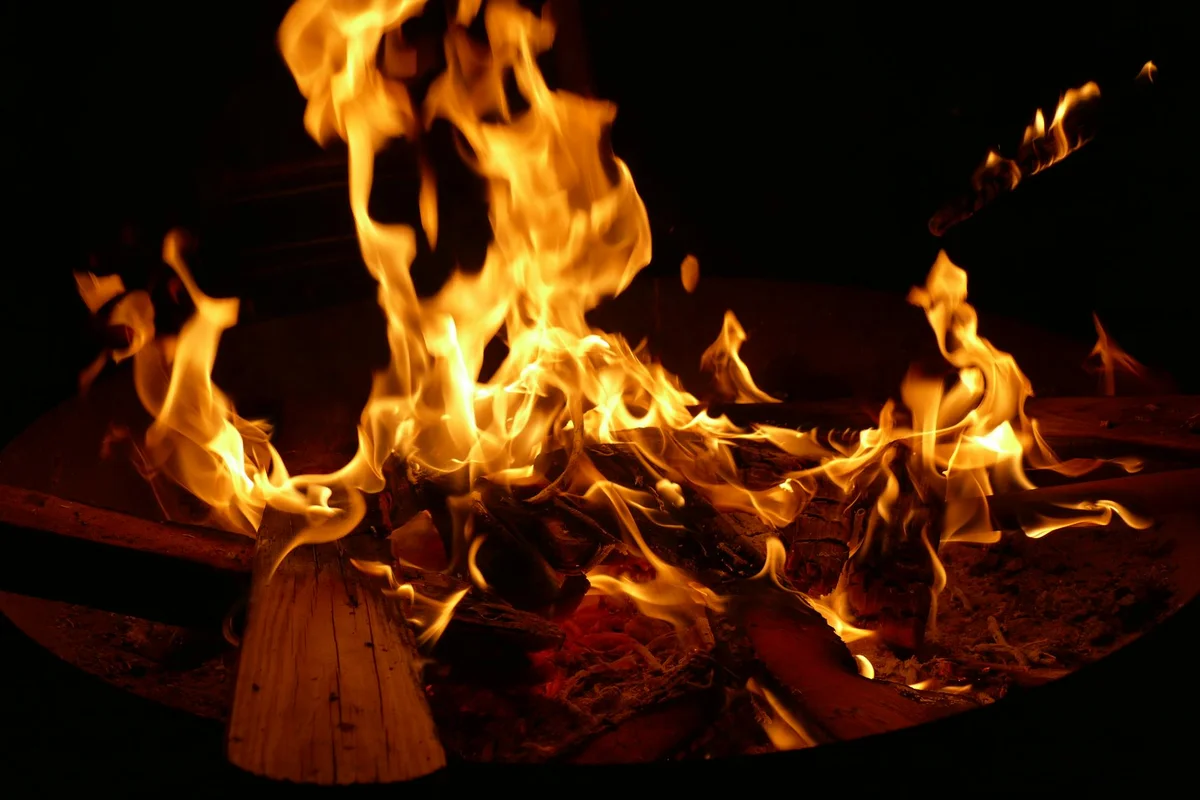
This is where good intentions can go wrong. Using wood ash safely starts long before you sprinkle it in the garden. It begins at your wood stove or fire pit. The material science of burning wood means you’re concentrating what was in the tree, for better or worse. Burning scrap wood can introduce safety hazards—nails, coatings, or chemical paints—into your ash. Recognizing these risks early helps you keep people and soil safe.
Safety Gear: It’s Not Just Dirt
Dry wood ash is a fine, alkaline powder. In the shop, I treat it with the same respect as MDF dust or any fine particulate. An N95 dust mask is non-negotiable. You do not want to inhale this. Eye protection is just as critical. A gust of wind or an accidental bump can send a cloud of abrasive, caustic powder toward your face.
The real danger, however, comes with moisture. Fresh ash from a recent fire contains potassium carbonate and calcium oxide. When water hits these compounds, they create lye (potassium hydroxide), which is highly caustic. I’ve seen it cause mild chemical burns on skin. Always assume “cold” ash is still chemically active until it’s fully weathered and dry.
Store your collected ash in a sealed metal container with a tight lid. This keeps it dry, contains the dust, and eliminates any remote risk of a smoldering ember igniting something else. A galvanized trash can works perfectly.
The Only Wood You Should Burn for Ash
The rule is absolute: only burn plain, natural lumber or firewood. Hardwood ash (like oak, maple) generally contains more potash than softwood (like pine), but both are usable if they meet the criteria. Ash from wood has specific uses but should be natural and untreated.
You must avoid ash from engineered wood or treated lumber. Plywood and particleboard glues release formaldehyde and other volatiles when burned. Pressure-treated wood (often recognizable by its greenish tint or end tags) contains copper, chromium, and arsenic. Burning painted or stained wood concentrates heavy metals like lead or chromium in the ash. Applying ash from these sources introduces concentrated toxins directly into your soil and food chain.
This is a case for knowing your source. If you’re a woodworker, only burn your clean, untreated scrap. If you’re getting ash from a friend, ask what they burn. If the answer is “whatever,” don’t use it.
Troubleshooting Common Wood Ash Problems
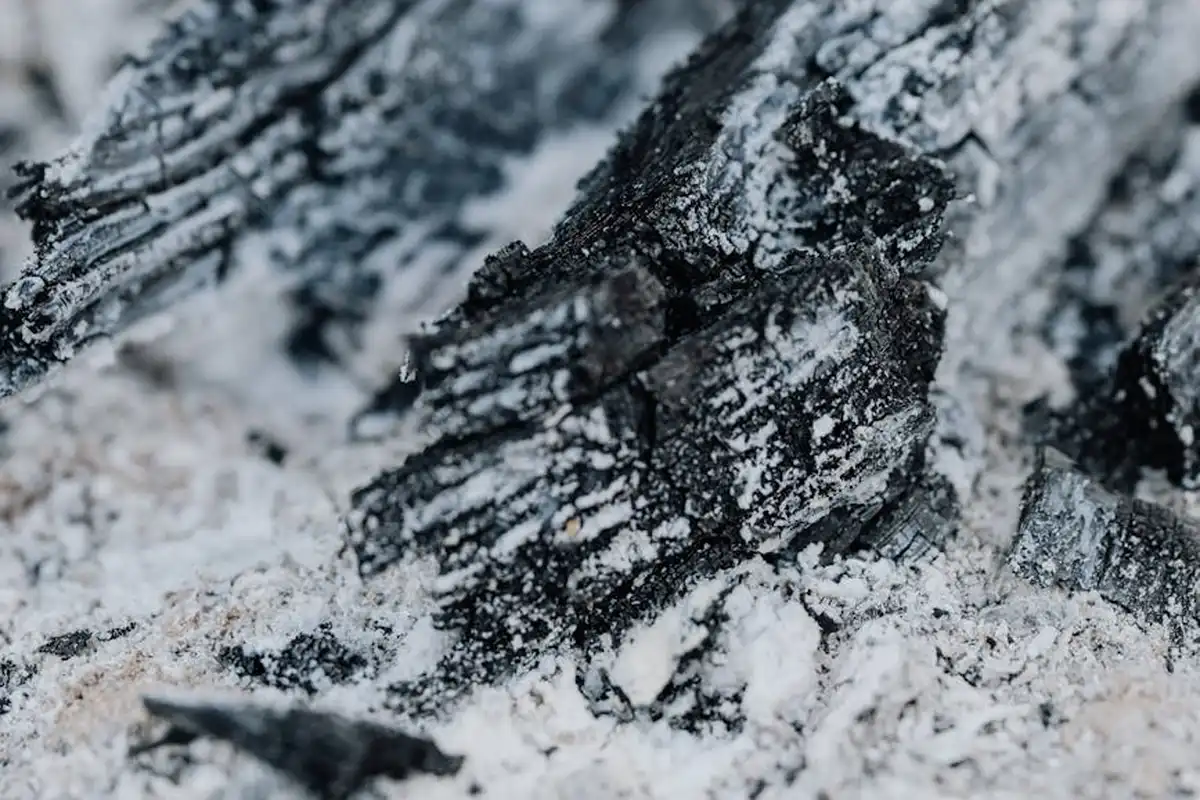
Even with perfect ash, things can go sideways in the garden. These are the most common issues I hear about, and each has a straightforward materials-based explanation.
My Plants Turned Yellow After Applying Ash
This is almost always a pH problem. Wood ash is strongly alkaline. Most garden plants thrive in slightly acidic to neutral soil. When you raise the pH too high, you “lock up” certain nutrients, making them unavailable to plant roots. Iron is commonly affected, leading to yellow leaves with green veins (interveinal chlorosis).
Stop applying ash immediately. To fix this, you need to lower the soil pH back into range. Elemental sulfur is the standard remedy. Follow package instructions based on your soil type. A soil test is the best way to know exactly what you’re dealing with and avoid guesswork.
The Ash Caked Into a Hard, Cement-Like Layer
You’ve just recreated the basic process of making natural mortar. That cement-like layer is lye (from the ash) reacting with moisture and carbon dioxide from the air to form a hard carbonate crust. It’s literally a weak concrete.
To prevent this, only apply ash to dry soil on a dry day. Work it in lightly with a rake. The best method is to mix the ash into your compost pile first. Adding ash to compost neutralizes acids, adds minerals, and gives the ash time to mellow and integrate before it ever touches your garden beds. I add a thin layer to my compost bin every few weeks.
Slugs Just Went Around My Ash Barrier
Wood ash is a desiccant. It works by drying out the slug’s mucus-covered foot, which they find irritating. It’s a deterrent, not a poison or a physical barrier they cannot cross. A determined slug, or one presented with a detour, will go around. A heavy dew or rain also washes the barrier away, rendering it useless.
I view ash as one tool in the kit. For serious slug problems, combine it with other methods. Beer traps sunk into the soil are famously effective. Copper tape around planter boxes delivers a small electric charge that repels them. Hand-picking at dusk with a flashlight is still one of the most reliable methods.
Frequently Asked Questions: Wood Ash Facts for Makers
1. Is stored wood ash a fire hazard or safety risk?
Properly stored ash is not a fire hazard, but it is a material safety risk. Always sift and store cooled ash in a sealed, dry metal container to manage its caustic alkalinity and fine, abrasive dust.
2. Does the species of wood burned change the ash’s best use?
Yes, species determines mineral concentration. Dense hardwoods like oak yield ash with higher potash and calcium content, making it a slightly more effective soil amendment than ash from softwoods like pine.
3. Can I integrate wood ash directly into my compost system?
Yes, composting is the most effective use. Adding thin layers to your compost pile neutralizes acids, adds minerals, and allows the ash to mellow and integrate safely before garden application.
4. How does wood ash compare to agricultural lime for adjusting soil pH?
Wood ash (calcium carbonate) acts faster than most limestone but is less concentrated and more variable. It is a suitable lime substitute only when used cautiously on acidic soils, with prior pH testing.
5. Is the “ancient super-material” claim for wood ash valid for modern use?
No; while ash had historical uses in soap, mortar, and lye due to its alkalinity, modern materials are engineered for consistent performance. Treat ash as a variable byproduct, not a reliable, multi-purpose compound.
Wood Ash in Practice: Lessons from the Shop
From my bench tests, the core rule is to treat wood ash as a specific tool, not a universal cure. It can disrupt soft-bodied pests on contact, but it washes away easily and offers no lasting barrier. In the garden, its high pH makes it a potent liming agent, not a balanced fertilizer. Always use ash from plain, untreated wood and apply it with a light, measured hand to avoid harming your soil or plants.
Responsible woodcraft means seeing ash not as waste, but as a material with a lifecycle. Stay curious about the science behind your materials, and you’ll make smarter, safer choices for your workshop and garden.
Related Guides and Information
- Is wood ash a good pest repellent for the garden?
- Why and How to Use Wood Ash in the Garden – Creative Simple Living
- The Unexpected Garden Pest Repellent You Can Find In Your Yard’s Fire Pit – Outdoor Guide
- Wood Ash Fertilizer – Should I Put Ashes In My Garden | Gardening Know How
- r/Survival on Reddit: What are some ways wood ash can be used in survival scenarios?
Written by David Ernst. David is a veteran woodworker. He is now retired and stays in his cabin in Wisconsin which he built himself. David has 25+ years experience working in carpentry and wood shops. He has designed and built many small and large wood projects and knows the science behind wood selection like the back of his hand. He is an expert guide on any questions regarding wood material selection, wood restoration, wood working basics and other types of wood. While his expertise is in woodworking, his knowledge and first hand experience is far from 'woody'.